Moving from a one-off project to a monthly creator partnership
Turn a successful one-off project into a clear monthly creator proposal. Agree on scope, deadlines, unfinished work, and renewal, with a checklist and editable outreach email.

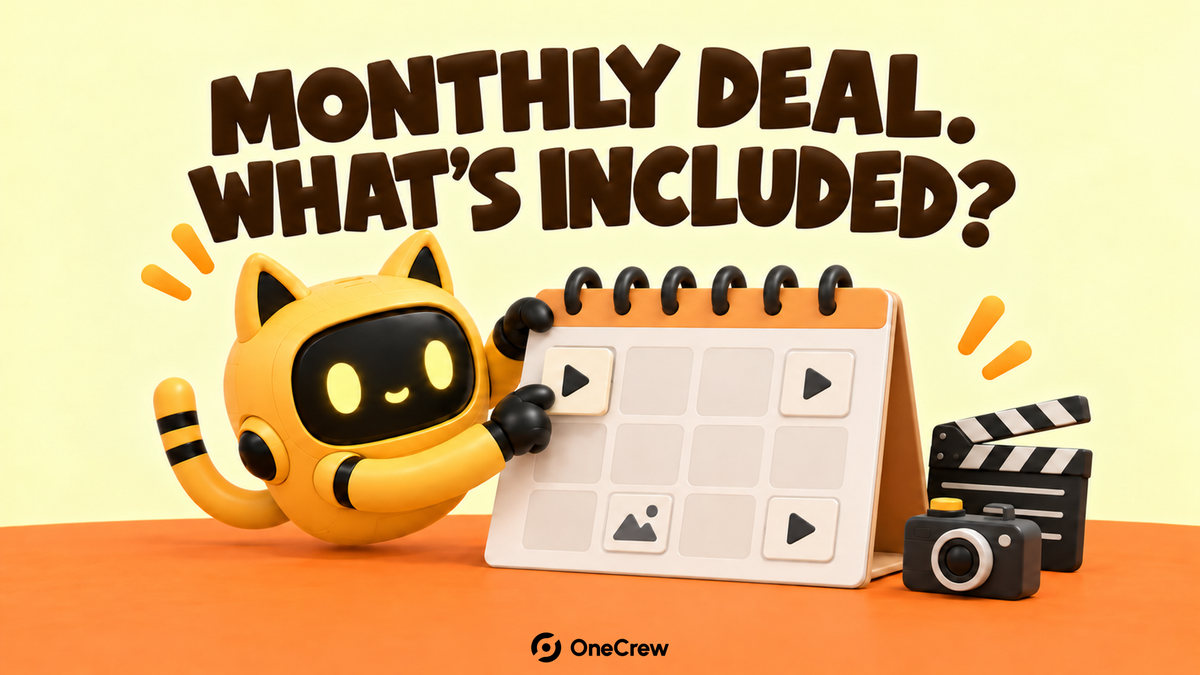
The first video went well, and your team wants the creator to make content every month. You are about to send, “We’d love to work together on a monthly fee.” But nobody has settled how much content you need, when the brief will be ready, or what happens if work is still open at month-end.
Start with one proposal that connects the monthly fee to a defined scope, deadlines for both sides, and a process for changes and ending the arrangement. If your ongoing needs are uncertain, agree on an initial period and a review date. One successful delivery does not establish a workable schedule for every month that follows.
In a Reddit discussion, a creator described a brand proposing monthly videos and photos after a one-off collaboration. Whether the content would also run in paid ads was still unclear. A fee and a content count were on the table, but an important part of the scope was missing. Filling those gaps is a better starting point than asking how much cheaper a longer arrangement could be.
1. Establish what you will need from this creator each month
Look at the work your team expects to repeat: product demonstrations, content for different use cases, or assets for monthly campaigns. Separate confirmed, recurring needs from ideas you might pursue. Keep unconfirmed launches and campaigns marked as open questions instead of adding them to a fixed commitment.
Explain which deliverables the fee covers and whether it also includes reserved production time or other ongoing work. A proposal might cover a set amount of content, regular planning calls, concept development, or posts on the creator’s account. List each item; “monthly partnership” does not define those obligations by itself.
If you are still deciding whether to work with the creator again, use the repeat-partnership review checklist. Once you decide to discuss a monthly arrangement, check whether their availability and production process fit your needs. A fast turnaround last time does not mean they have the same availability every month.
This discussion needs the previous quote, actual deliverables, and revision history. OneCrew helps teams organize creator information, outreach conversations, and collaboration records. Give an AI connected to OneCrew your proposed monthly plan and ask it to review the relevant recorded conversations. Have it separate what was previously agreed, what you are adding, and which answers are missing. That gives you a concrete starting point for the discussion.
2. Put the scope and both sides’ deadlines in the same proposal
A monthly proposal should answer two questions: what will be completed, and who needs to do what before that can happen. Giving the creator a delivery date without agreeing when the brand will supply materials and feedback leaves the schedule incomplete.
Use the table below as the basis for an attachment to your proposal. Fill it with the actual arrangements, and have the person responsible for the agreement review any wording that affects its terms.
| Item to agree | What the monthly proposal should specify |
|---|---|
| Partnership period | Start and end dates; calendar months or another agreed cycle; when you will review the next period |
| Fixed deliverables | Formats, quantities, specifications, and products covered; whether the creator must post on their own account |
| Other work | Concepts, scripts, meetings, asset organization, or reserved availability included in the fee; how additional work will be agreed |
| Brand inputs | Who provides briefs, product information, samples, and necessary access, and by when; who coordinates a revised plan if inputs are incomplete |
| Creator production | Dates and time zones for concept or script approval, first drafts, revisions, and final delivery |
| Feedback and changes | One brand contact for consolidated feedback, response dates, included revision rounds, and how to agree fees and timing for a new direction, reshoots, rush requests, or added content |
| Usage and payment | Amount and currency, deliverables and usage included, paid-ad use, payment milestones, and whether usage continues beyond the production period |
| Open work and renewal | How to handle work that has not started, is in production, or awaits feedback; whether rollover is allowed and for how long; notice arrangements for renewal, pausing, or ending |
If the brand needs finished videos by month-end, work backward together. When will the samples be available? Who approves the script? Who consolidates feedback on the first draft? If a campaign date is still uncertain, distinguish work that can begin from work that needs final inputs. The creator needs to know which dates are firm before reserving time.
Discuss the monthly fee in relation to the complete package. When comparing proposals, check that production, revisions, posting, and usage are comparable before comparing totals. A simple per-video calculation can conceal different amounts of work. Negotiate using the actual scope, time commitment, and usage requested.
Ask the AI connected to OneCrew to compare the proposal with the replies already recorded. For example, an email may promise file delivery only while the attachment requires a post on the creator’s account. Resolve the conflict, then add the agreed proposal version, source-message reference, and key dates to the creator’s notes while preserving the earlier collaboration history.
3. Resolve unfinished work before planning the next month
Record the status and agreed next step for unfinished work before adding it to the next month’s schedule. If the arrangement already sets out rollover terms, check them. If it does not, discuss the issue with the creator before carrying work into a new task list.
Consider a hypothetical plan for four videos per month, with one still unfinished at month-end. If the brand never supplied that video’s brief, the discussion needs to address reserved time and the remaining need. If the creator missed an agreed delivery date, establish the cause and a revised date. If a first draft is waiting for brand feedback, consolidate that feedback and confirm final delivery. Recording all three situations as “one video owed” loses information you need to make the next decision.
Leave a short record of the original plan, current stage, blocker, next owner, and the resolution both sides have accepted. If fees, reserved availability, or catch-up work are disputed, give the relevant records to the person responsible for the agreement. Do not invent a new rule during an operational check-in.
Then review the work already agreed for next month. A delayed delivery may affect time available for new filming. Where a change is needed, confirm the resolution for the old work alongside the new schedule. A full calendar for next month should not conceal an unresolved decision about this month.
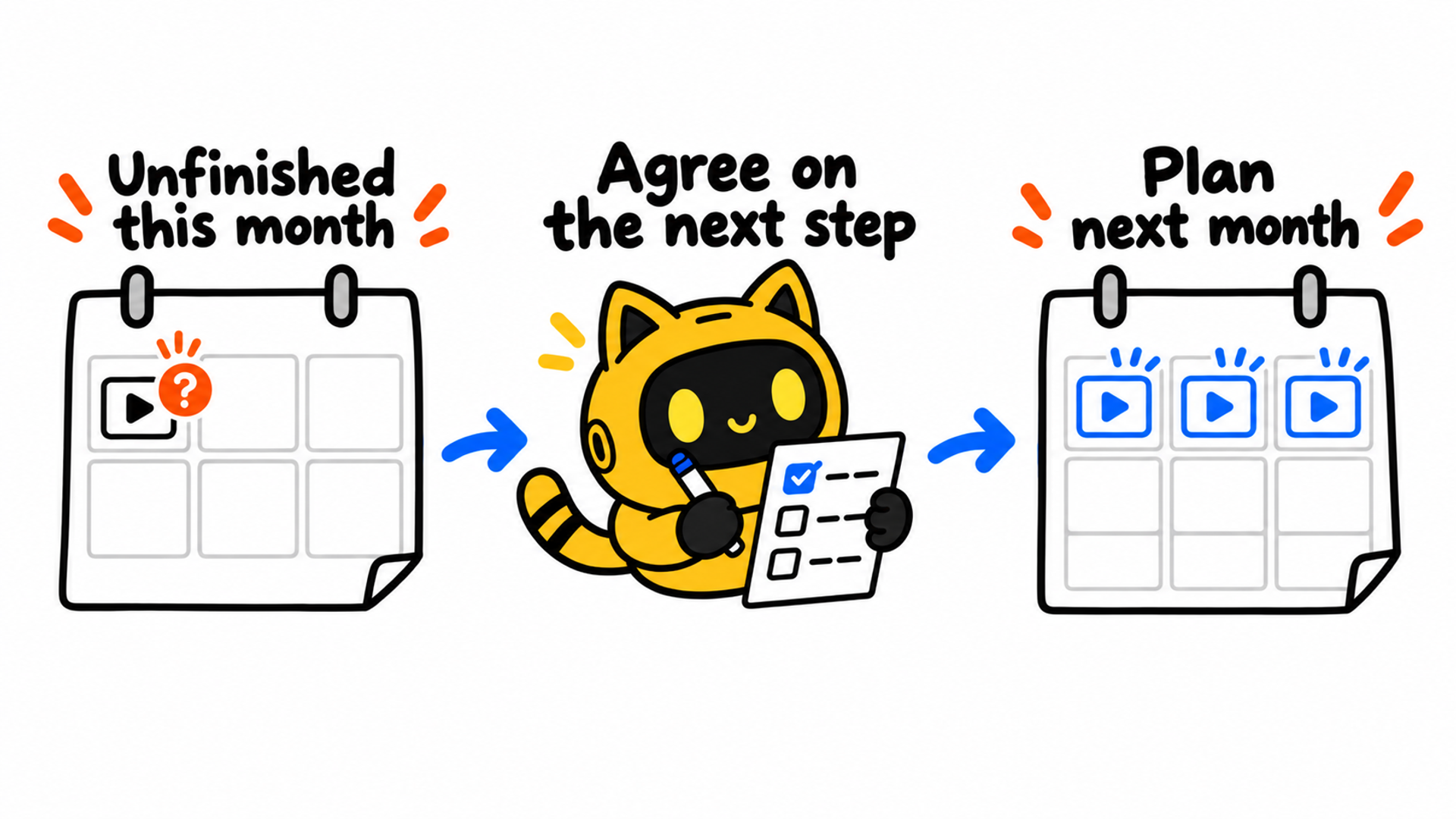
When saving the discussion in OneCrew, keep the original plan, current status, and agreed resolution distinct. The connected AI can summarize the delivery and feedback records you provide; check its summary against the original messages. Keep proposed rollover, scope reductions, or fee adjustments marked as unconfirmed until both sides have agreed.
4. Open the discussion with a specific email
The first email does not need to carry every detail. Explain why you want to continue and outline the key arrangements, with the full monthly proposal attached. Make it clear which questions need the creator’s response.
Subject: Discussing an ongoing monthly content partnership
Hi [name],
In our last project, [a specific strength supported by the work] was a good fit for our upcoming [content need]. We would like to discuss a monthly partnership from [start date] to [end date].
Work each cycle: [Deliverables, any posting requirements, and other included work]. The proposed fee is [amount and currency] per month, covering [production and usage scope]. The details are in the attached [proposal version].
Production schedule: We plan to provide [brief, information, and samples] by [date and time zone], with [contact] consolidating our feedback. Could you confirm whether [script, first-draft, feedback, and final-delivery dates] would work?
Changes and unfinished work: We would agree on fees and timing before adding work. For items not yet started, in production, or awaiting feedback, we propose [the arrangements in the attachment]. Please flag anything you would like to adjust.
The next cycle: We would like to review renewal and the next scope by [review date]. For pausing or ending the partnership, we suggest [specific notice proposal, subject to agreement].
Please let us know your availability, thoughts on the scope and fee, and anything else you need from us. We are also happy to discuss a shorter initial period if that would work better.
Thanks!
Fill every placeholder before sending, and check that the attachment matches the email. An AI connected to OneCrew can prepare a draft using the previous conversation and your proposal. The person responsible should check the rationale, amounts, and dates before sending. Describe new terms as proposals, rather than as arrangements already agreed.
If the creator only confirms availability, record that answer. Follow up on the remaining questions about the fee, usage, or notice arrangements without sending the entire questionnaire again.
5. Confirm what will continue into the next cycle
At the review date, check whether the agreed work was completed, whether it met the current need, and whether revisions and communication followed the plan. Then consider what you actually need next. If your team uses advertising or sales results in the discussion, use verified data with comparable definitions. Leave gaps visible instead of turning guesses into reasons to reduce the fee or increase the workload.
Write down a clear next step: continue on the agreed scope, continue with changes, or pause or end under the agreed arrangements. When changing the plan, list what is added, removed, and retained, together with its effective date. “Same again next month” should not quietly introduce a new product, additional posts, or a longer advertising-use period.
When pausing or ending, review unfinished work, incurred fees, file delivery, and content still in use separately. The end of new production and the end of permission to use existing content may fall on different dates. Check the actual agreement, assign owners and dates for outstanding steps, and follow the agreed method and timing for notice.
Add the new decision to the creator’s OneCrew notes with the relevant proposal and reply links. Before the next outreach, ask the connected AI to summarize the current scope and unresolved items so that last cycle’s terms are not applied to a new request by mistake.
To turn a one-off project into a monthly partnership, start with one creator you want to work with again in OneCrew. Bring the previous conversation together with next cycle’s needs, identify the fixed scope, deadlines on both sides, and open questions, then send a proposal the creator can respond to item by item.