A creator dislikes your product. What should your brand say next?
A creator tried your product and does not want to recommend it. Use a focused checklist and three email templates to clarify the issue, discuss an honest content direction, or close out the collaboration.
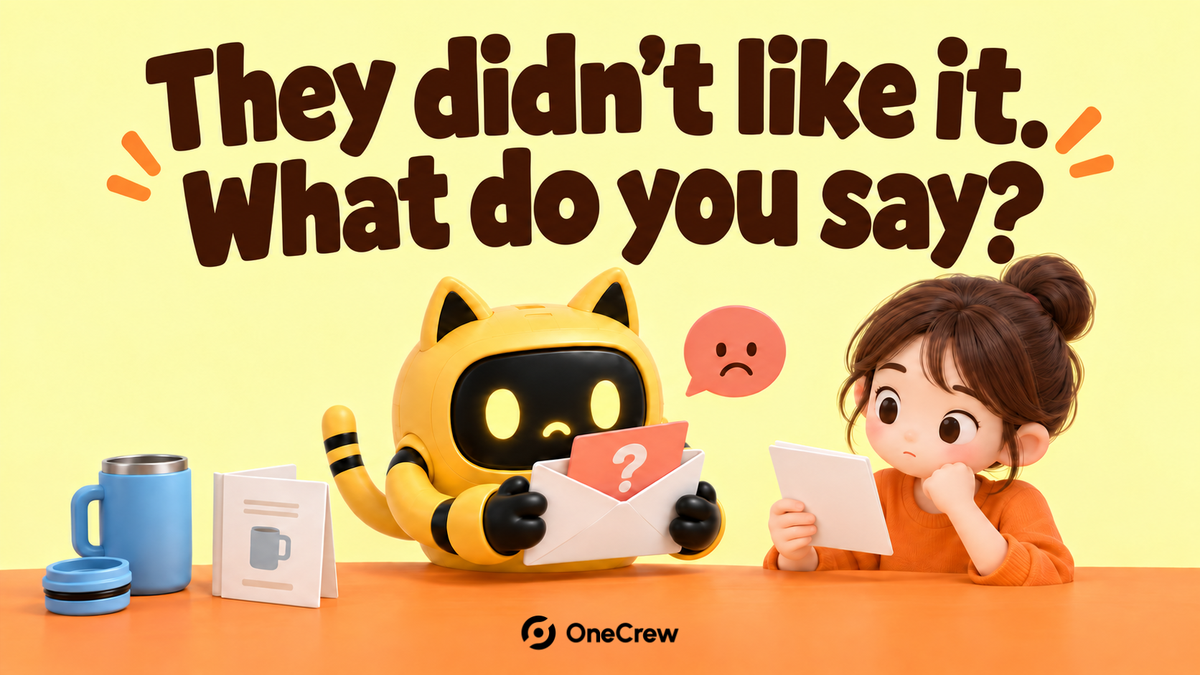
The post has not gone live, but a message has arrived: “I've tried it, and it isn't a good fit for me. I don't feel comfortable recommending it.” The sample is already out, filming is on the calendar, and you need to reply without turning the conversation into a request for praise.
Find out what happened, then agree on what happens to the collaboration. Your first reply should acknowledge the specific feedback, ask only for missing information that affects the next decision, and give a time for your next update. A possible fault, a question about use, and a personal preference call for different responses. The publishing schedule needs its own confirmation, too.
In a Reddit discussion, a creator described agreeing to an Instagram Story in exchange for a product, then finding that they could not recommend it. They asked what a brand would want them to do. An update said they had contacted the brand and shared their feedback. From the brand's side, the useful starting point is a reply that welcomes an honest account and makes the practical arrangements clear.
1. Ask what did not work, without starting the conversation over
Read what the creator has already sent. If their last email includes the model, photos, and what they tried, do not send them a blank questionnaire asking for all of it again. Look for the gaps that matter:
- The item: Is the model, size, or version clear?
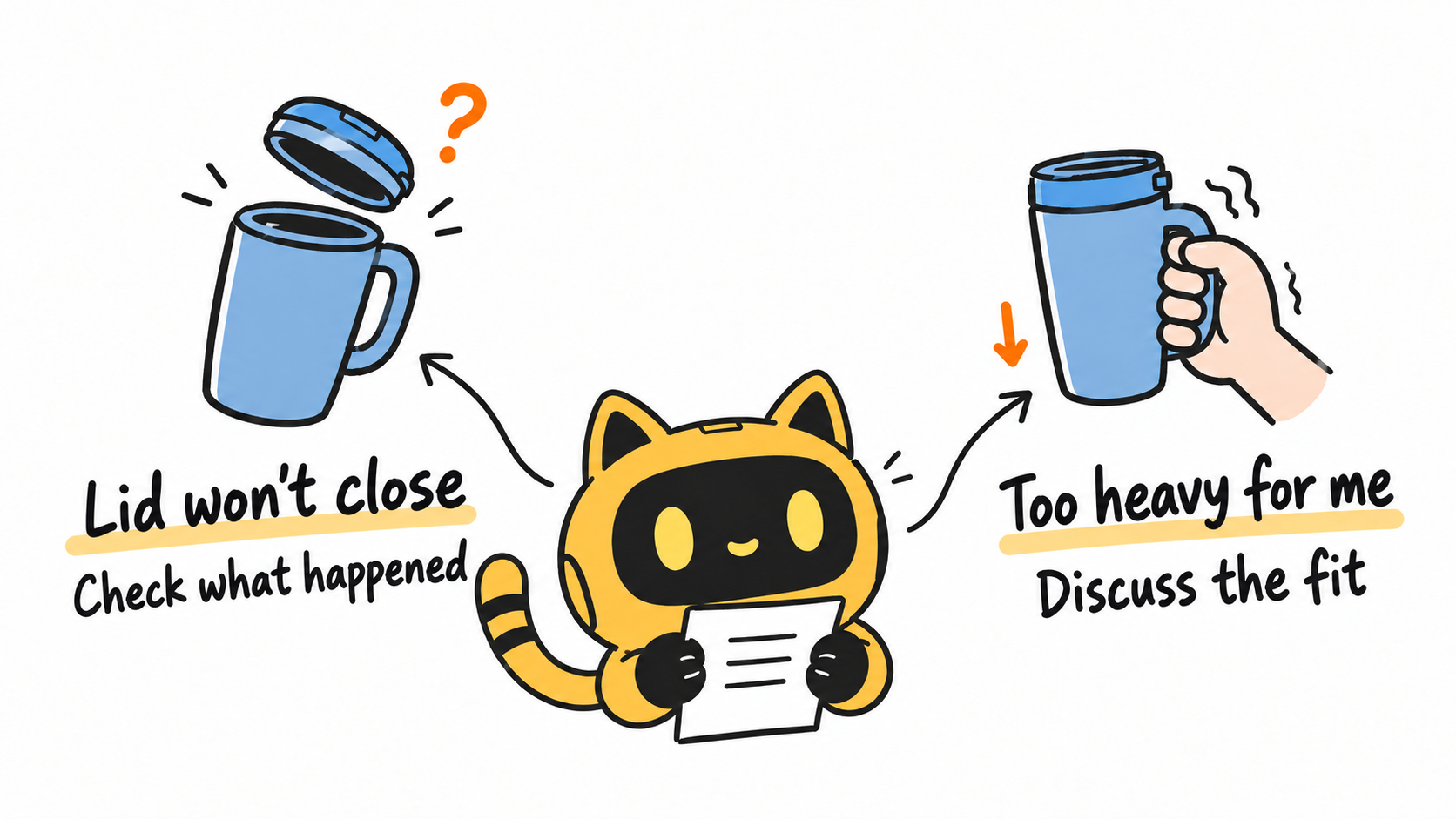
- The difficulty: Did the lid fail to close, did the cup not fit their bag, or did it simply feel too heavy?
- The evidence already available: Their own words, any photos or video, and the steps they have tried.
- Their preference for the collaboration: Are they willing to clarify the issue, discuss a different arrangement, or finish the project here?
Consider a hypothetical travel mug. “The lid won't close” needs a closer look at the item and what happened. “It's too heavy for my commute” describes a personal experience. “The capacity differs from the information you sent” calls for a check of the product details. More than one can be true; record them separately before deciding how to respond.
Those details may be scattered across the creator's emails and messages from your product team. OneCrew is an AI workspace for organizing creator information, conversations, and partnership follow-up. Ask your connected AI to read the recorded conversation, provide the current product information, and have it list the creator's words, what is already known, what is missing, and who needs to answer. Review that list before adding questions to your reply.
2. For a possible fault or usage question, make the next step clear
If a product or support colleague needs to investigate, explain who is handling it, what information they need, and when you will update the creator. Pasting the entire instruction manual into an email can leave the actual question unanswered and suggest you have already decided the creator used the product incorrectly.
For a lid that will not close, check the model and existing photos, then let the product owner identify any missing details. If the feedback suggests a safety issue, ask the creator to stop the relevant trial and route it to the responsible colleague. Revisit the content schedule separately instead of asking them to keep testing to meet a deadline.
Use this template when the situation still needs clarification. Remove questions the creator has already answered, and choose an update time you can actually meet.
Subject: [Product/project] — following up on your experience
Hi [name], thank you for explaining [specific issue]. We've reviewed [information/photos], and [owner] is looking into it.
The remaining question is [one necessary question]. If possible, could you share [relevant detail]? You don't need to resend anything you've already provided.
I'll update you by [date, time, and time zone]. Could we also revisit the post currently planned for [date] and agree on the next steps once we understand the issue?
Thank you for sharing what happened. [Name]
When your product colleague responds, give the connected AI their confirmed answer alongside the OneCrew conversation and ask it to draft your next reply. Include an agreed remedy clearly. Keep a replacement, additional fee, or new date as a question if it is still under discussion. Each commitment in the email should have an owner and a basis in the information you supplied.
3. If the product is not a fit, keep any new content true to that experience
You may find no unresolved usage question, while the creator still finds the product heavy, awkward, or unsuitable for their routine. Work with that feedback. Changing “not for me” into “great for everyone” changes what they actually mean.
For collaborations reaching U.S. consumers, the FTC's Disclosures 101 for Social Media Influencers explains that paid endorsements must reflect the creator's real experience: someone who disliked a product cannot describe it as excellent. Relevant endorsements also need clear disclosure of a gifted-product relationship. These are U.S. advertising requirements; check the applicable rules for other markets.
Ask whether there is anything the creator would still feel comfortable sharing honestly. If so, discuss the actual experience they want to describe, the context in which they used the item, and what did not suit them. If they do not want to recommend it, move to adjusting or ending the collaboration. A different format still needs to express something the creator is comfortable saying truthfully.
Subject: [Project] — checking the content direction
Hi [name], thank you for explaining [specific experience]. We understand how that relates to your [routine/use case], and respect that you don't want to recommend something that isn't right for you.
Would you still be comfortable sharing [an actual part of the experience], including what didn't suit you? This is an option to discuss; please decide based on what you genuinely want to say.
If so, we can confirm the scope, fee, and timing together. If not, please let us know, and we can work through the arrangements for closing this project and any work already completed.
Thank you, [name]
When summarizing the reply in OneCrew, retain what the creator liked, disliked, would share, and does not want to continue. Ask the AI to use those specifics when preparing a revised proposal, then review it sentence by sentence. “Open to discussing it” should stay distinct from “agreed to revise the video.”
4. If the creator wants to stop, work through the outstanding arrangements
Check what has already been done and agreed: production progress, confirmed fees, sample arrangements, and any material already in use. Negative product feedback alone does not establish that the creator owes a refund, a free reshoot, or return shipping.
Have the responsible colleague review the agreement, quote, and confirmed messages before proposing a practical resolution. Refer disputed terms to your contract owner, and make the points you do agree on clear in the email.
Subject: [Project] — confirming the closing arrangements
Hi [name], we understand that you'd like to end this collaboration. Thank you for explaining your experience and letting us know.
To account for the work so far, our records show [completed work], [confirmed fee and its basis], and [outstanding items]. Please let us know if anything is missing.
We propose [specific arrangement reviewed internally]. Could we also confirm [relevant sample returns, associated costs, or treatment of existing material]? Please tell us which points you agree with and which need further discussion.
I'll follow up on the open items by [date, time, and time zone] and update the record once we have both confirmed the arrangements. Thank you, [name]
To prepare this reply, have the AI compare the conversation recorded in OneCrew with the agreement excerpts you provide. Require a source for every amount and date, and have the owner check the draft before sending it. An unaccepted proposal should remain a proposal. The purpose of this email is to close out the work, rather than reopen a pitch for a product endorsement.
5. Record the outcome so the next follow-up makes sense
Add a dated note to the existing creator record with the feedback, confirmed outcome, and next action. “Difficult collaboration” says very little. A product being a poor fit once is not a useful reason to label someone uncooperative.
A practical entry is: [date] | [product/model] | original feedback and message reference | agreed action | open items | owner and next update time. Keep personal preferences separate from verified product issues. That helps you consider a better fit for a future collaboration and gives your product colleague something useful to review.
Ask your connected AI to organize the checked outcome for the OneCrew creator record. Preserve important existing notes when adding it, and verify that pending points have not become conclusions. Before following up again, read the creator's latest clear answer instead of sending the old filming reminder.
If both sides decide to continue production, use one consolidated feedback list for the next version. If another sample is proposed, revisit the gifting and delivery expectations.
Start with one conversation in OneCrew: bring together the creator's actual words, the product information, and the confirmed agreement. Then prepare a reply that resolves the current question. Understanding the experience and agreeing on the next step gives both sides a clear way forward.
References
- FTC: Disclosures 101 for Social Media Influencers — truthful experience and disclosure of brand relationships.