Briefing a Product Comparison Video: Agree on What to Test and How
Brief a creator comparison video around a clear question, matched conditions, and evidence. Confirm product versions and claims before filming begins.

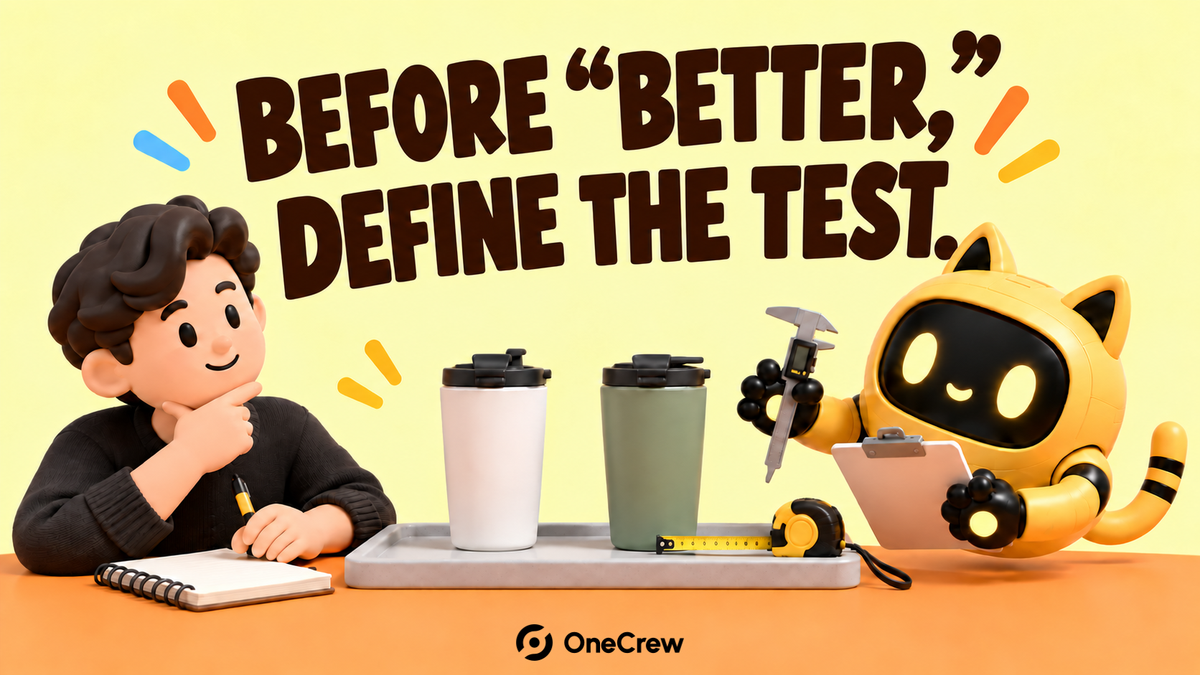
You want a creator to show that your product is “better.” They still need to know whether to compare speed, size, cleaning, or something else. Putting two products on a table does not establish a useful test.
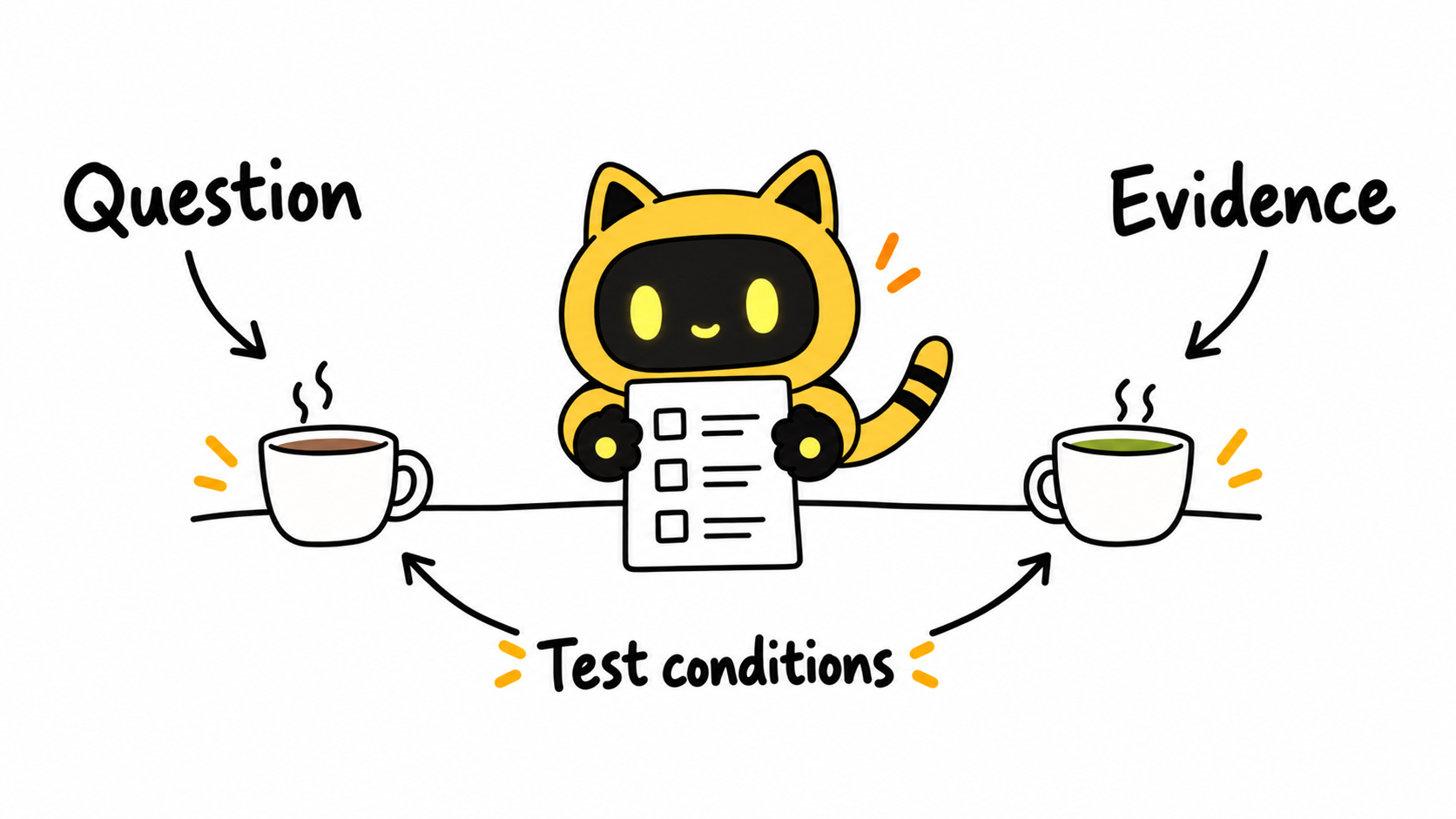
Start with a buyer’s question, then agree on the products, conditions, and evidence. Let the conclusion follow the result. A personal preference can be explained honestly without turning it into a performance promise for everyone.
Write the question before choosing a winner
“Which is better?” is too broad. A useful question might concern the steps needed to complete the same task, or what each product holds within the same storage space. The comparison should illuminate a real buying decision, rather than a convenient detail that gives your product an irrelevant advantage.
OneCrew is a workspace for organizing creator partnerships and communication. Record the question, both product versions, supplied evidence, and unresolved points in a worksheet. That gives the creator something more concrete than “highlight our strengths.”
Agree on products and conditions together
Model, configuration, accessories, and method can all affect the outcome. Check whether the products make sense as a comparison and which differences need to be explained. Have someone qualified for the product and testing method confirm any safety-sensitive or specialized activity.
| Comparison item | Evidence to establish before filming |
|---|---|
| Product versions | Models, configurations, accessories, and condition |
| Method | Shared task, operating conditions, and recording method |
| Price basis | Market, date, promotions, and included items |
| Proposed claim | What supports it and what still needs checking |
If one price is promotional and the other is a standard price, explain the conditions. The UK ASA/CAP guidance emphasizes a clear basis for comparisons and evidence supporting the claims. That source addresses the UK advertising context; check the relevant rules for other target markets.
Give each conclusion a source
Retain the records relevant to the comparison, identifying the products, steps, and conditions. Do not select the smoothest attempt and use it to describe every situation. Limited methods, samples, or conditions call for correspondingly limited claims.
“I found this easier to open with one hand” is different from “this is easier for everyone.” The first needs the user’s context. Objective specifications and performance claims need appropriate support. Editing out a qualifier can change the meaning of the statement.
In OneCrew, link each proposed claim to the source footage, test record, or product documentation and record the reviewer and confirmation status. Use the partnership email history to prepare a focused request for missing evidence.
Make review comments describe the gap
For [proposed comparison], we currently have [record or document]. We still need to confirm [version, condition, or evidence]. Please preserve the actual result while [owner] reviews it. If the findings differ from the initial concept, we’ll adjust the script accordingly.
Review the visuals, captions, and narration together. A headline should not make a broader claim than the video supports. Brand-supplied facts also need evidence.
After the products arrive, use the product sample checks to confirm models, accessories, and software versions before interpreting differences.
Start a comparison worksheet in OneCrew that connects the question, the method, and the basis for the conclusion. The finished video should help a buyer understand a difference, not merely announce a winner.
References
ASA/CAP: Comparisons: General, guidance for UK non-broadcast advertising.