Conflicting Creator Offers: Which Version Should Everyone Follow?
Resolve differences across recruitment posts, handbooks and emails. Compare scope, publishing and payment terms, then confirm one complete version.

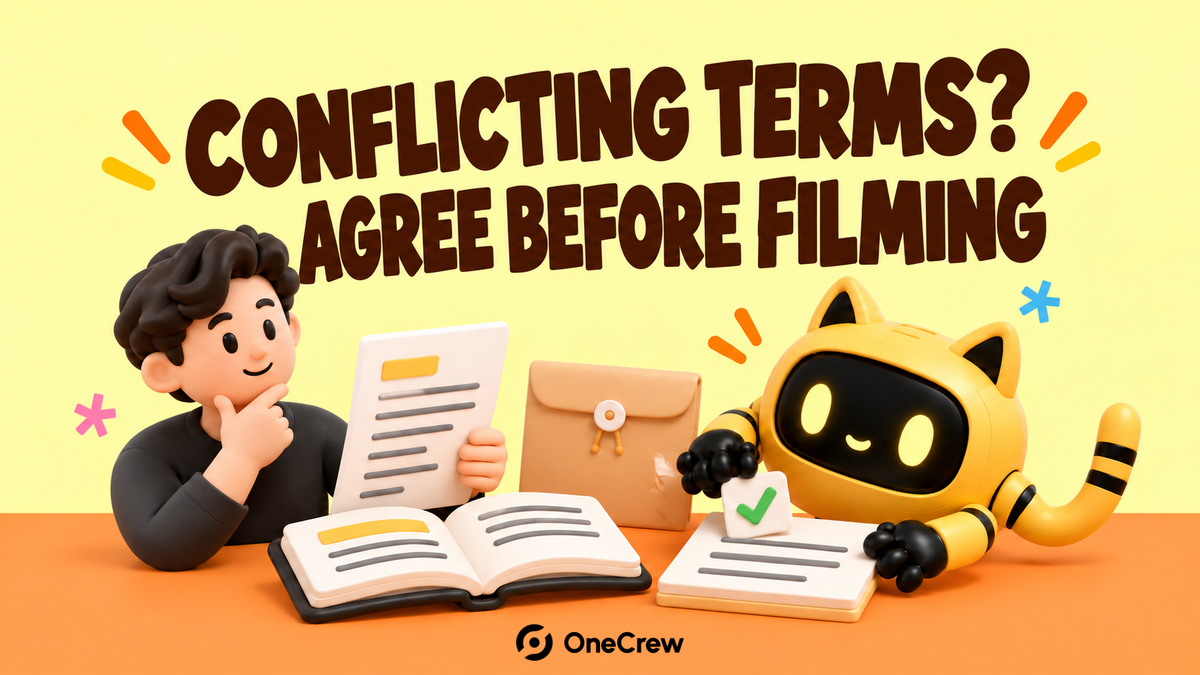
The recruitment post asks for one video. The creator handbook asks for five. An email mentions a retainer without explaining what qualifies for it. “Follow the latest message” does not resolve that conflict. Put the differences side by side, have an authorized person confirm a complete set of terms, and let both sides decide whether to proceed.
A creator’s question about two offers from the same company illustrates the problem: the handbook and recruitment email described different trial requirements and future arrangements. That is evidence of one creator’s information problem, not a basis for conclusions about every engagement with that company.
Save the source wording before resolving the differences
Keep a link, date and relevant passage for each post, handbook and email. Then turn “the terms are different” into questions someone can answer: what must be delivered, where must it appear, what compensation covers that work, and is future work confirmed or conditional? A possible ongoing engagement should not be recorded as guaranteed payment.
OneCrew supports creator discovery, email workflows and persistent workspace tables. For this task, use a table to keep source links, conflicting terms, the decision owner and open questions together. If the relevant emails have been synced, use their specific wording to fill the corresponding entries. A colleague taking over can then see the evidence behind each question.
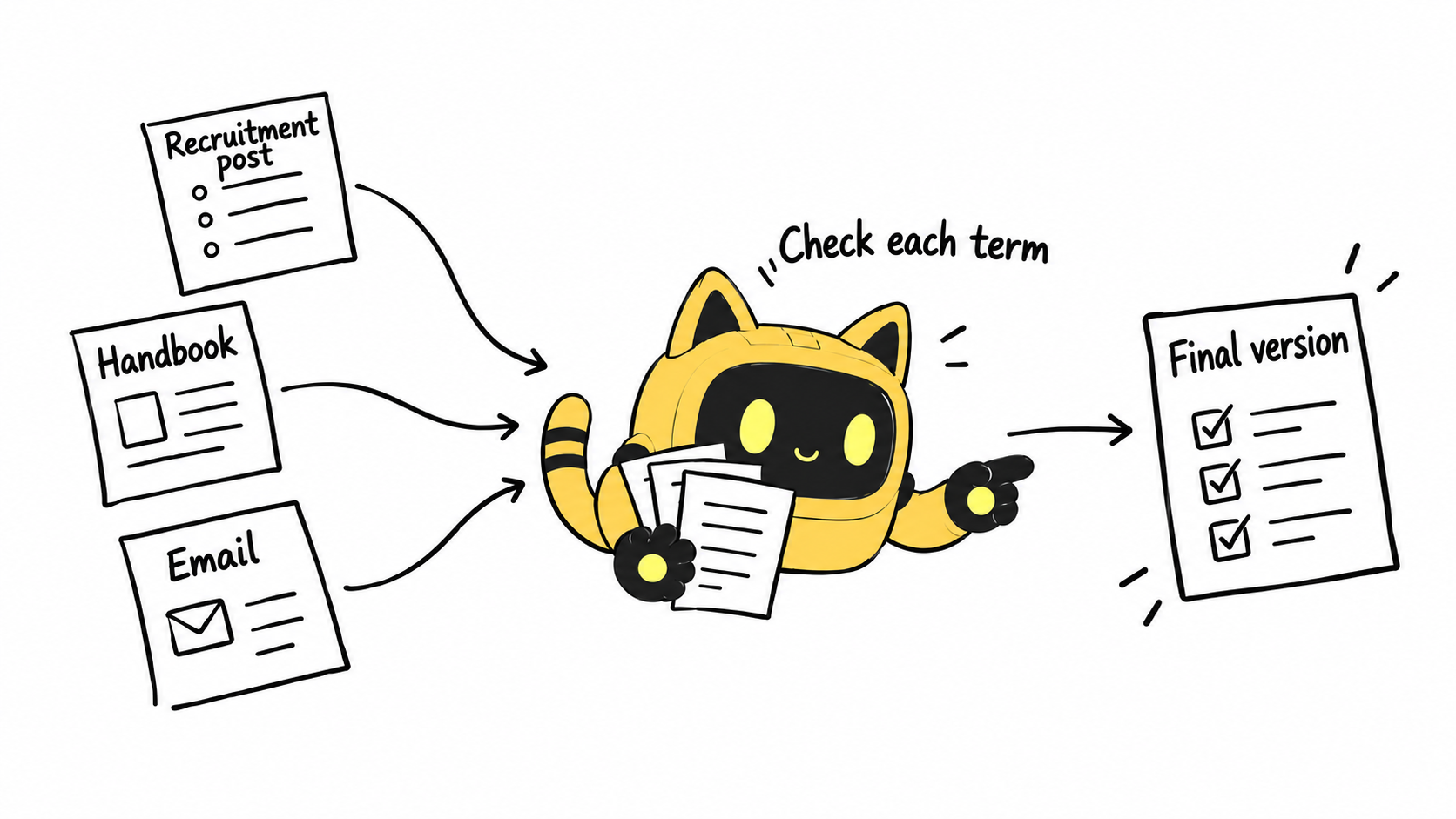
Compare terms without guessing what the gaps mean
The following is an illustrative comparison, not the final terms of the engagement described in the post. Every conflict needs an answer. A blank does not mean “included,” “free” or “accepted.”
| Item | Conflicting versions | Answer needed |
|---|---|---|
| Trial deliverables | One video in the post; five in the handbook | Exact quantity and whether posting is included |
| Publishing | One platform in email; three in the handbook | Platforms, accounts and number of posts |
| Compensation | A fee in one version; product access in another | What each payment covers and when it is due |
| Future work | “Ongoing” or “monthly” without conditions | Confirmed commitment or a separate decision |
Sending the handbook again is not enough. Explain what changed and what remains in effect. If a price now covers a different scope, confirm the price and scope in the same entry.
Give the final version an owner and a name
The recruiter, project manager and agency may all be involved, but they may not all have authority to approve the terms. Decide who consolidates the answers and who approves them. Send a complete summary with a date and version identifier, even when only one item changed.
In OneCrew, keep “source under review” separate from “confirmed version.” Use the synced conversation to prepare a confirmation draft that lists the unresolved differences. When the reply arrives, the responsible person checks it and updates the current version and confirmation time. A newer email does not automatically replace every earlier term.
A final-terms confirmation email
Subject: Please confirm the terms for [project, version/date]
Hi [name], we found differences between the recruitment post, handbook and email concerning [specific items]. We have brought the proposed terms for this engagement together at [complete version link].
Please check the deliverables [quantity and format], publishing [platforms and accounts], compensation [amount, scope and payment milestones], and future work [confirmed or subject to a separate agreement].
This summary is intended to replace [named earlier versions] for this engagement. Please confirm whether you accept it or identify any remaining differences. We will hold off on scheduling the disputed work until both sides have confirmed the terms.
This message clarifies the agreement; it does not replace your formal contracting process. If the creator has already worked from an earlier version, list that work separately and agree how to handle it. Do not assume revised terms have been accepted retroactively.
Update the recruitment materials still in circulation
Check active posts, handbooks and reply templates after the terms are settled. An unchanged source will keep generating the same question. Track which existing candidates need the correction, who has replied and who still has concerns. One person’s acceptance does not cover everyone.
If the disagreement concerns the deliverables themselves, also use Your UGC agency quoted a video count. What will you actually receive?.
Start in OneCrew with the conflicting sources, a named decision owner and a draft that asks for the missing answers. Production should begin from a complete version both sides have actually checked.