A Creator Posts Lots of Ads. Should You Still Book Them?
Review recent content over a consistent window, distinguish formats and ask about relevant bookings. Includes an observation table and scheduling email.

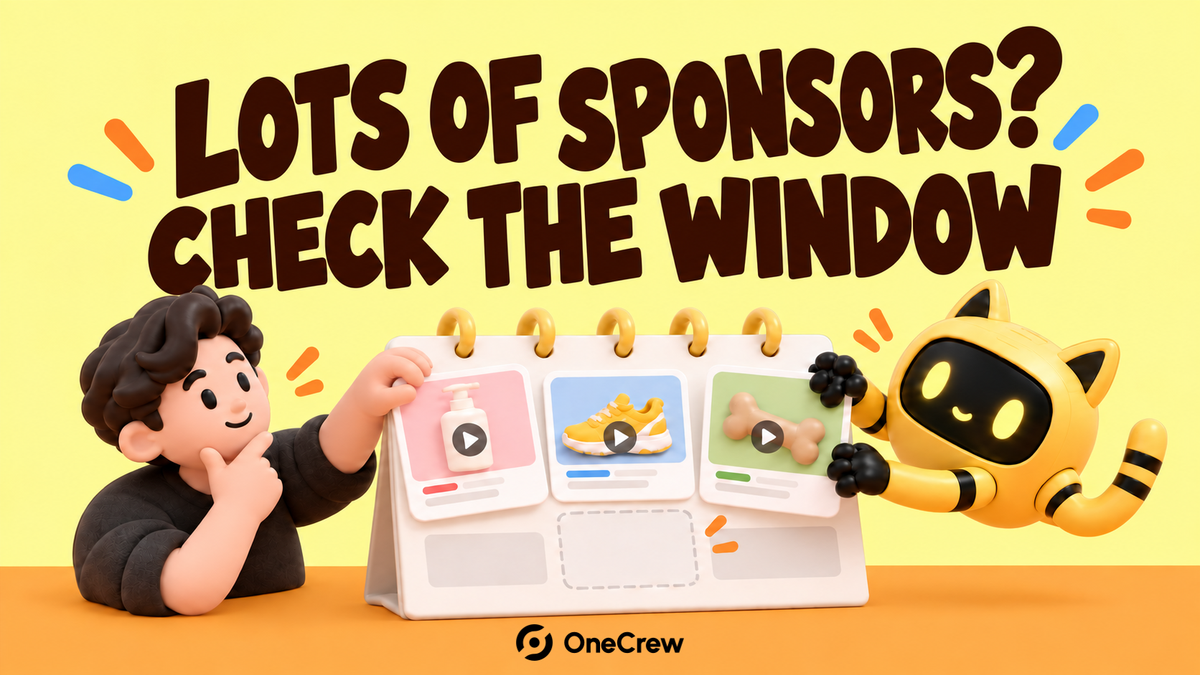
A creator has posted several ads in a row. Dropping them immediately may eliminate a good fit; ignoring the sequence may place your campaign in a crowded window. Review their recent content over a consistent period, ask about relevant plans around your proposed date, and decide whether to proceed, move the date or request more information.
Ad count is a clue, not a verdict. A dedicated review, a short integration, a gifted-product mention and an incidental brand appearance are not necessarily equivalent assignments. Public posts also do not reveal the full future schedule. There is no universal sponsored-content percentage in the method below.
Use a consistent observation window
Choose a period appropriate to the campaign and apply it consistently across candidates. Record the visible posts and dates rather than selecting only the ads you remember. Include the amount of content observed: three sponsored posts mean something different on an account publishing three times a month than on one publishing thirty times.
OneCrew supports creator discovery, email workflows and workspace tables. Keep the content links you have actually reviewed, the observation window, visible commercial signals and unanswered questions together. Use the existing conversation to prepare a scheduling inquiry. Clearly distinguish observed posts from information you have not obtained.
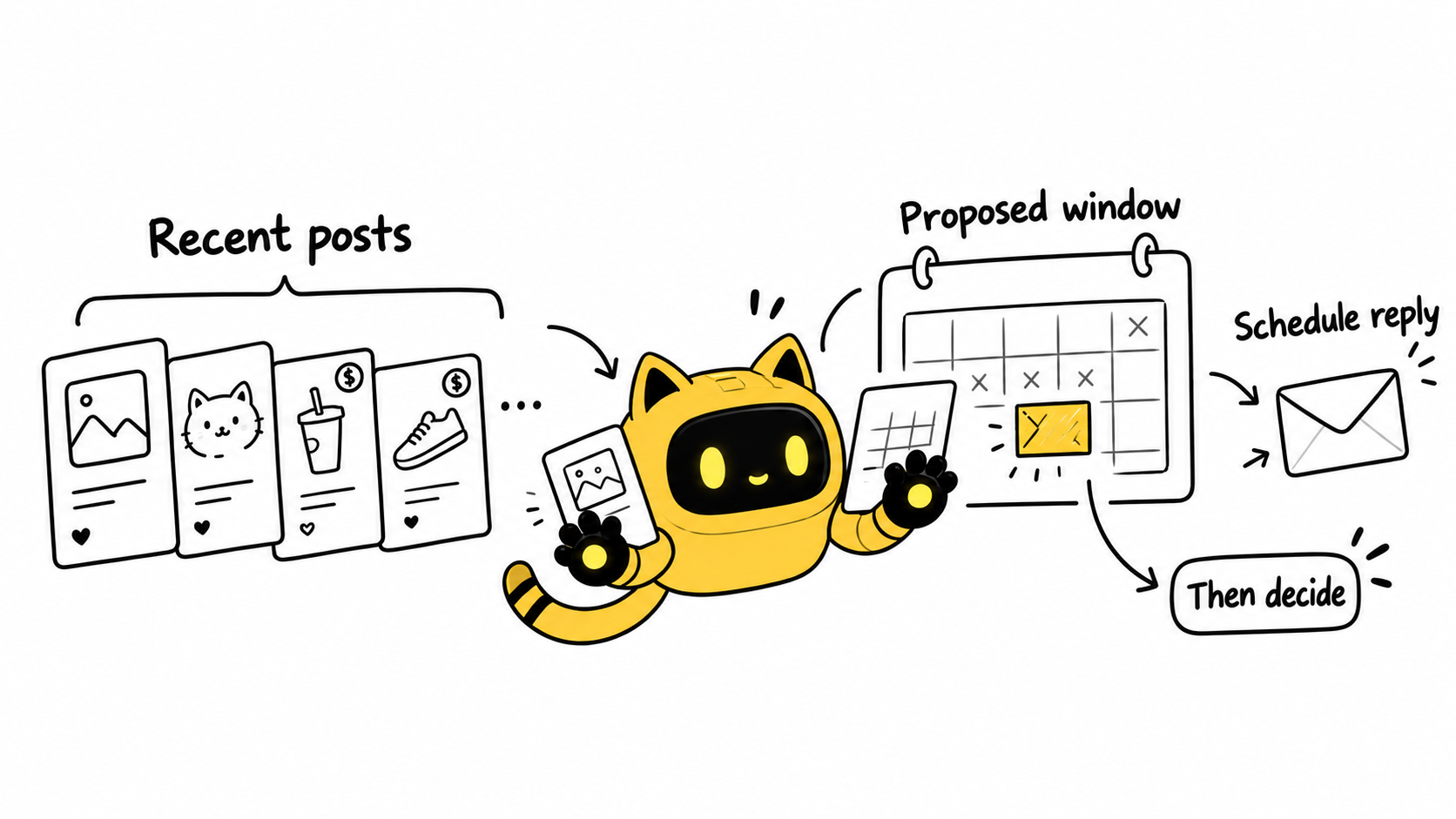
Look at what the commercial content actually does
Does the collaboration fit the creator’s usual subject matter? Is the explanation specific? Do several brands receive nearly identical openings and recommendation language? A clear use case is more useful to judge than a list of brand names. These are editorial observations, not a way to calculate the next post’s conversion rate.
| Dimension | Evidence to keep | Question it informs |
|---|---|---|
| Publishing sequence | Dates and neighboring post links | Is commercial content clustered? |
| Collaboration format | Dedicated video, integration, gifting or other known format | Should these tasks be compared separately? |
| Topic and explanation | Specific use cases and recommendation reasons | Does your product have a distinct role? |
| Unknowns | Future dates or ambiguous brand appearances | What should the next message ask? |
Record a visible partnership label where one exists. Without one, do not assume a brand appearance was paid. Mark unclear cases as unknown. A few negative comments also do not establish that the entire audience is tired of the creator.
Ask only for scheduling information relevant to this engagement
Specify your proposed publication date and the relevant period around it. Ask whether other commitments would affect production, publication or terms already under discussion. You do not need the creator’s complete client list, rates or unrelated contracts. Where a brand name is confidential, category, format or dates may be enough.
In OneCrew, keep public-content observations separate from the creator’s dated reply. Limit the scheduling draft to the window you actually need to evaluate. Since plans can change, the responsible person should decide whether to reconfirm closer to booking.
Subject: Content availability around [date/window]
Hi [name], we are considering [format and topic] for [date]. Before confirming, are there any commitments around [specific window] that would affect production or publication?
Relevant categories, formats or dates to avoid are enough; there is no need to share unrelated client or fee information. If the window is tight, we can discuss [acceptable alternative dates] or a different content format.
Please also let us know whether those plans are tentative or confirmed so we can decide the next step.
Leave a reason for proceeding, rescheduling or asking for more
Proceed when the content fit and available window support the agreed assignment. Reschedule when the creator is suitable but production or publishing commitments conflict. Request more information when the visible content and reply do not yet support a decision. If you decline, record the specific reason rather than the unreviewable label “too many ads.”
A wider gap does not guarantee better results, and there is no need to pretend you can precisely measure the audience’s patience. The practical outcome is knowing what this content should explain, when it can appear and what evidence supports that plan.
Once you have selected the creator, clarify the content direction with How to Brief Creators With Reference Videos Without Asking for a Copy.
Start with recent content links and the proposed window in OneCrew, then prepare a focused scheduling inquiry. Keeping the evidence beside the date makes the decision understandable to the next colleague handling the campaign.