The Creator Has Never Used the Product. How Should You Rewrite the Script?
Separate product facts, personal experience and demonstrations. Use a script-check table and revision email to remove invented use histories and claims.

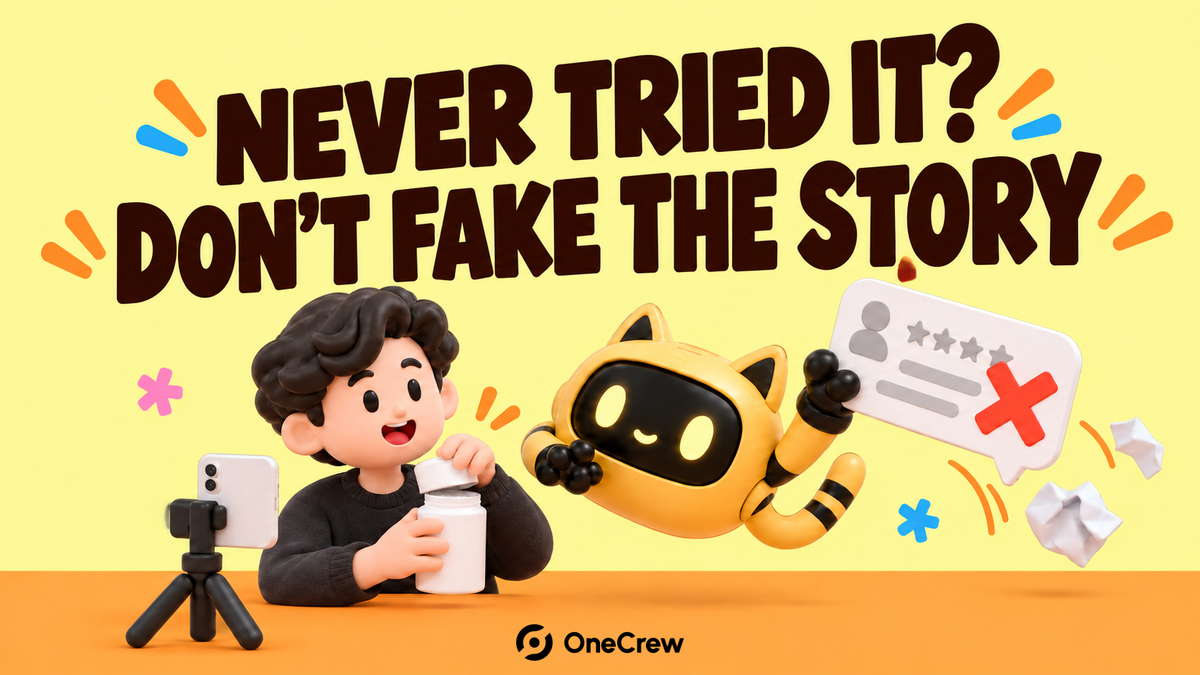
The product has not arrived, but the script says, “I’ve used this for three months, and the difference is obvious.” Changing “three months” to “a while” does not fix it. Ask what the creator has actually used and for how long, then choose an honest personal account, a first-use video or a product demonstration. Remove experiences that never happened.
One creator described declining a collaboration that required a fabricated experience. They had not used the product and offered product-focused content instead. That distinction is useful: rejecting an inaccurate line does not necessarily rule out the entire production.
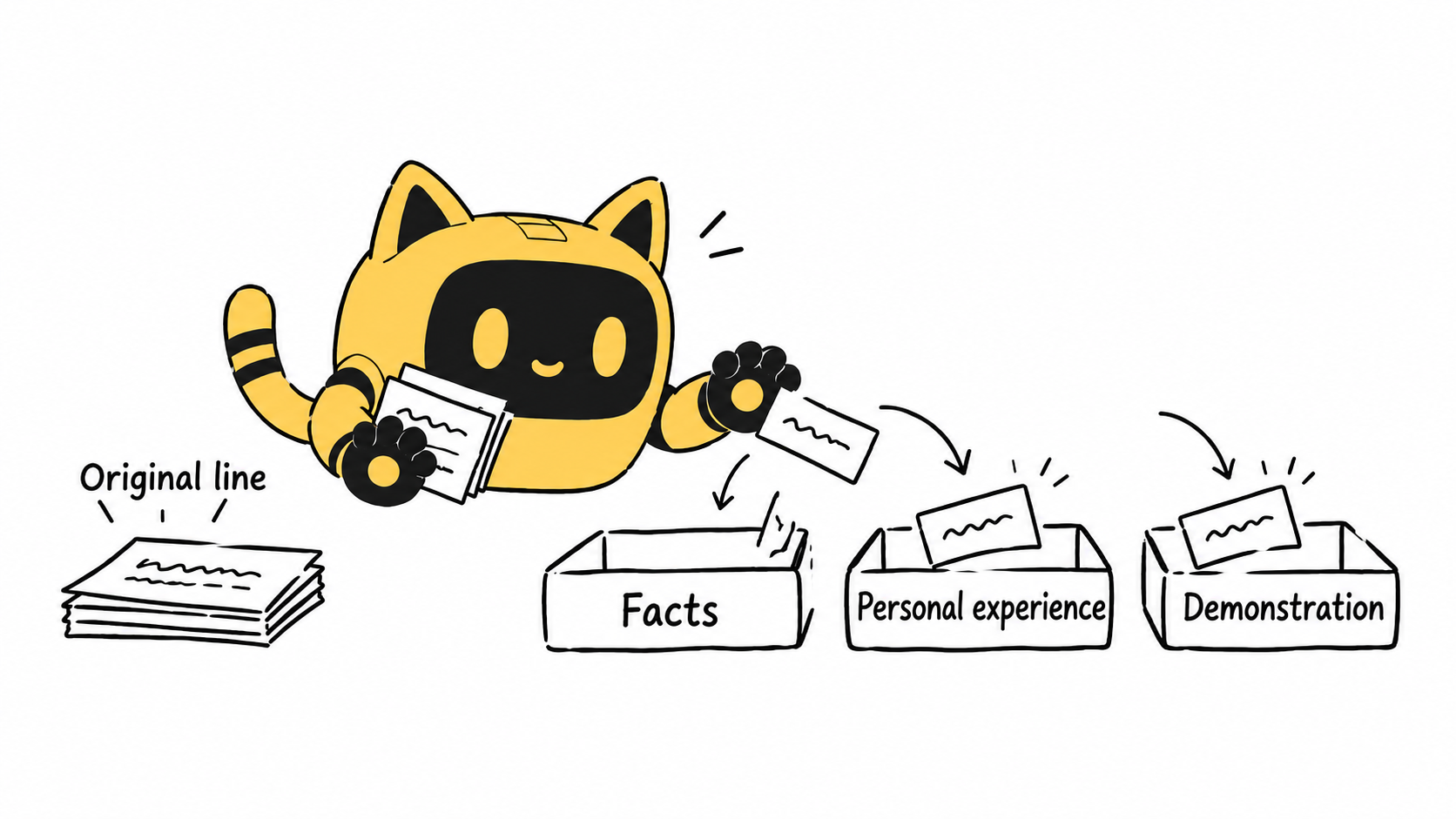
Separate product facts, personal experience and demonstrations
A bottle’s capacity can be checked against product information. “I use it every day” needs the creator’s confirmation. “Press this button to open this screen” needs a working demonstration. When these statements are reviewed together without distinction, brand messaging can quietly become someone else’s supposed life experience.
OneCrew helps teams organize creator email and maintain workspace tables. Record each questionable line, its type, supporting information and the person who can confirm it. Use the existing conversation to prepare a revision draft. That gives the creator a concrete question instead of the vague instruction to “make it more authentic.”
Choose a format the creator can truthfully deliver
Ask whether they have used this exact product or version, when they used it, and which observations they are comfortable describing in their own words. Experience with a similar product does not establish experience with yours.
| Script line | What to establish | Possible revision |
|---|---|---|
| “I’ve used this for three months.” | Whether that history actually exists | Remove it if untrue; describe a first encounter only if that happens |
| “It noticeably improved my…” | Actual experience and support for the claim | Remove unsupported results and demonstrate observable operation |
| “I use this feature every day.” | Real frequency of use | Show the feature being used now without inventing a habit |
| “The box contains two items.” | The actual package and product information | Show the contents after checking, without adding an outcome claim |
These are editing directions, not universally approved advertising language. A first-use account must still be real, and a demonstration must show a function the product actually has. For US advertising, FTC guidance says endorsements must accurately reflect the endorser’s experience, including whether and how regularly they have used a product.
Check disclosure separately from truthfulness
A sponsorship disclosure explains a commercial relationship. It does not make a fictional experience true. An honest experience does not remove the need to disclose a relevant relationship, either. Keep both checks in the review, with the advertising owner confirming requirements for the intended market and product category.
In OneCrew, retain the original line, replacement, supporting information and reviewer for each change. Record the disclosure decision separately. Once reviewers have settled the wording, use those decisions to prepare one coherent feedback draft so the brand and agency do not send conflicting edits.
A script-revision email
Subject: Revising the personal-experience wording for [product]
Hi [name], we have removed [line] because we have not established that it reflects your experience.
We propose filming [a first unboxing, a specific demonstration, or an experience that actually occurred]. The product information is at [link]. Please describe what you can verify in your own words; there is no need to add a long-term use story.
Please confirm whether [new script version] matches your experience and whether the revised format changes the shots or delivery timing. We will retain the separately agreed sponsorship disclosure.
Review the finished audio, captions and on-screen text
Deleting “three months” from the script is not enough if it survives in captions or a later voiceover. Check experience, duration and outcome statements across the final edit. Make sure a cut has not turned “I’m going to try it” into an implication of ongoing use. Keep the approved script with its corresponding export for future reuse checks.
If the creator has tried the product and dislikes it, the next conversation is different; see A creator dislikes your product. What should your brand say next?.
Start by putting the most questionable lines into OneCrew, adding the experience confirmation and factual support, and preparing the revision draft. The creator keeps room for their own delivery, while the team knows what each statement is based on.
Reference
FTC: Endorsement Guides—What People Are Asking, for US principles on accurate experience and disclosure.