Your First Creator Offer: How to Explain Product, Payment, and Scope
A first creator offer should separate the product, compensation, deliverables, usage, and next step. Use this practical email structure and follow-up checklist.
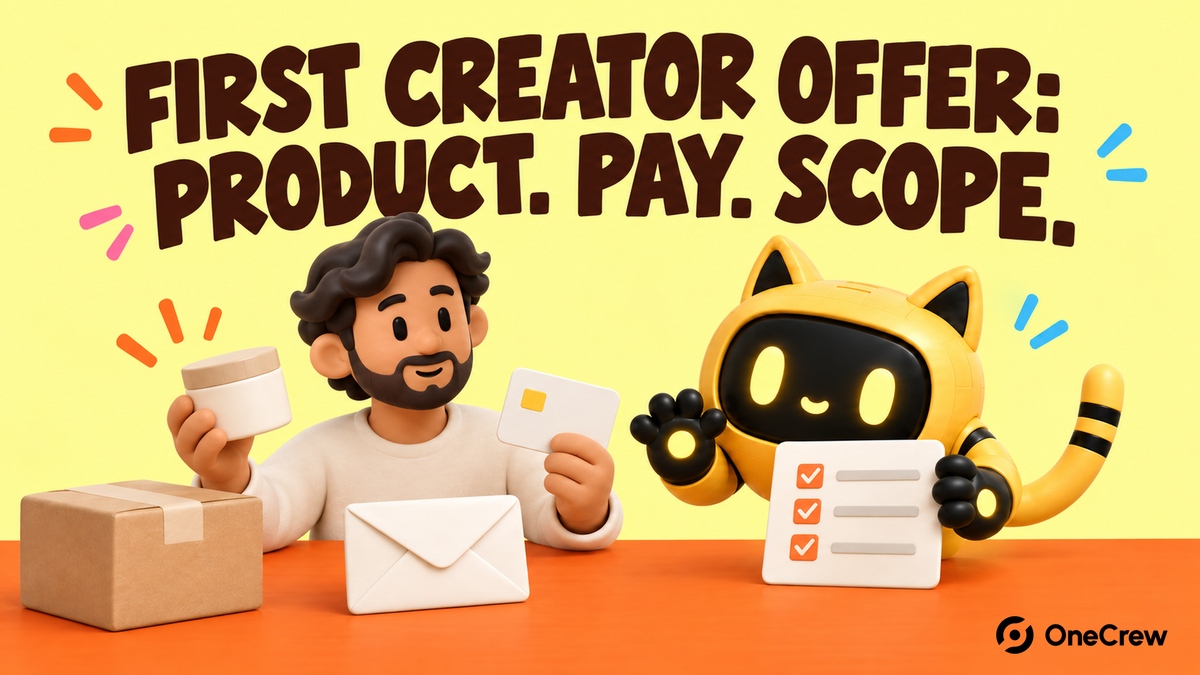
A first creator email can mention the product, budget, deliverables, and timing yet still leave the recipient unsure what is actually on offer. That is the tension behind this public question from a small brand. The fix is less about sounding polished and more about separating the terms.
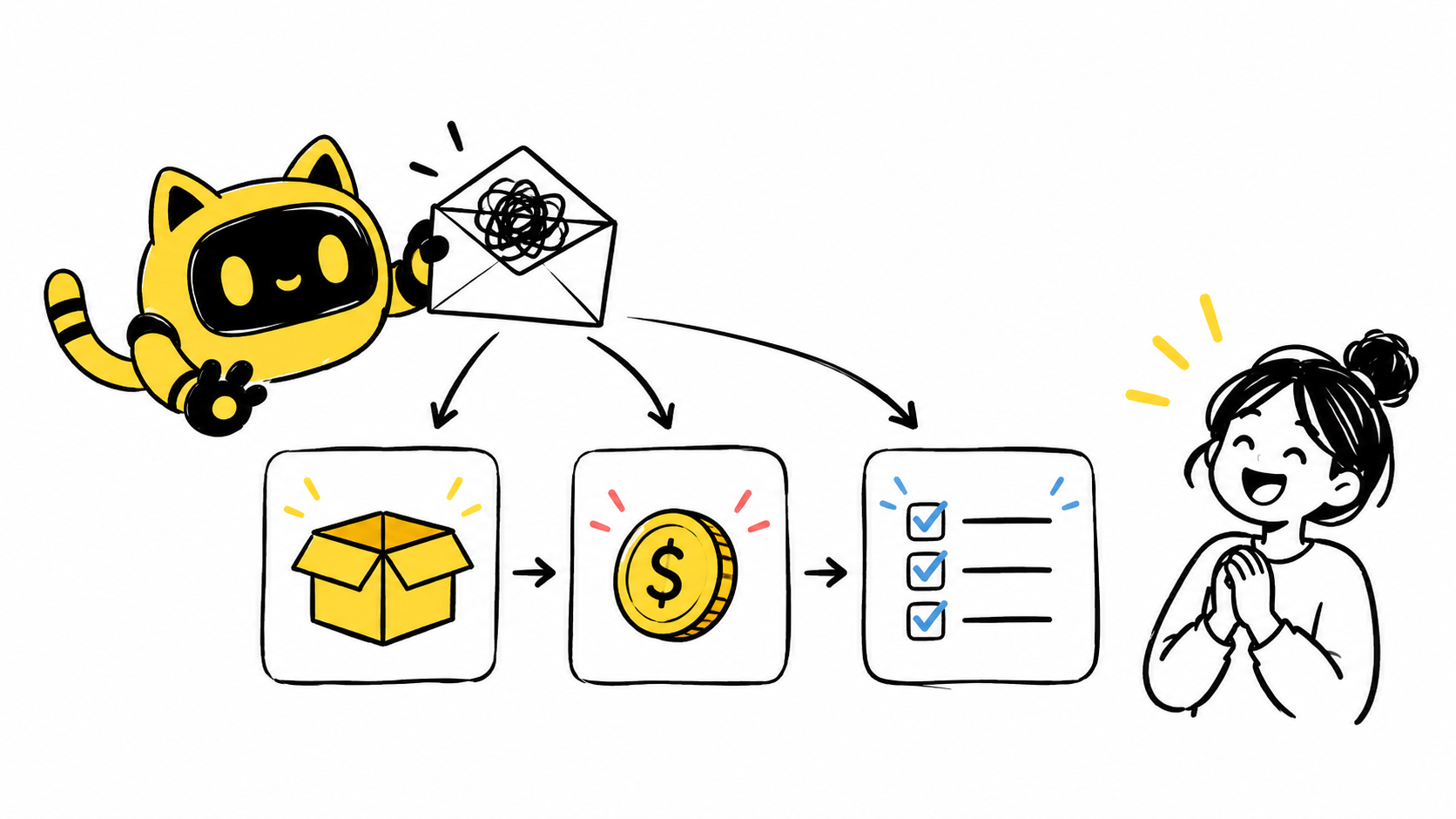
The answer: separate product, compensation, scope, and the next step
The first message does not need to settle every contract term. It should still answer four questions: What product is involved? Is there a fee, a budget range, or a compensation discussion? What content is the brand asking for? What should the creator do next if the fit looks promising? When those points appear separately, the creator can evaluate the opportunity instead of defaulting to a rate card.
OneCrew is a workspace for organizing creator research, outreach drafts, and collaboration conversations. Keep the creator’s public profile, contact route, and offer notes in one record, then prepare a personalized draft from verified details and review it before sending.
Describe the product before the money
Name the product, the audience it serves, where it can be shipped, and the expected delivery window. Then state the compensation structure plainly. If the fee is fixed, say so. If it depends on deliverables and usage, explain that the brand will confirm the scope before agreeing on a fee. “We have budget” is not enough information, and a free product should not be left to imply payment.
Define five parts of the scope
- the platform and content format;
- the number and approximate length of deliverables;
- the target publishing window and review steps;
- whether the brand wants reposting, editing, or paid usage rights;
- required claims, links, or disclosure language.
This list is not a substitute for an agreement. It prevents both sides from saying yes to different versions of the job. If a talent manager is handling the conversation, use the related guide on what to send after a creator’s manager replies.
A first-offer email you can adapt
Subject: Collaboration idea for [product/project]
Hi [name], I saw your recent work on [specific topic], which is closely related to the audience for [product]. We would like to send [product] and discuss a paid collaboration with [fixed fee or budget range]. Our initial scope is [platform, format, and quantity], with publishing around [date]. Content usage would be [creator channels only / brand reposting / to be confirmed]. If this direction fits, tell me what you would like to confirm first and I will send the full scope.
In OneCrew, turn the name, recent content, product, compensation, and scope into fields that must be checked before a draft is approved. Review the recipient, links, numbers, and usage language before sending. For a commission-only proposal, the related guide on making the economics clear in the offer covers the additional questions a creator will need answered.
After a reply, move one decision forward
If the creator is interested, use the next message to close the most important gap—shipping, fee, deliverables, timing, or usage—instead of sending another wall of information. If there is no reply, check whether the first note left the scope or next step vague before following up.
Keep the reply, confirmed terms, and next follow-up task in the same OneCrew record. A useful starting action is to take one real offer and split it into four lines: product, compensation, scope, and next step. If another teammate can understand all four, the draft is ready for review.