How to Explain an Influencer Campaign in a Marketing Interview
A seven-part framework for explaining creator selection, negotiation, problems, results, and lessons in an influencer marketing interview.
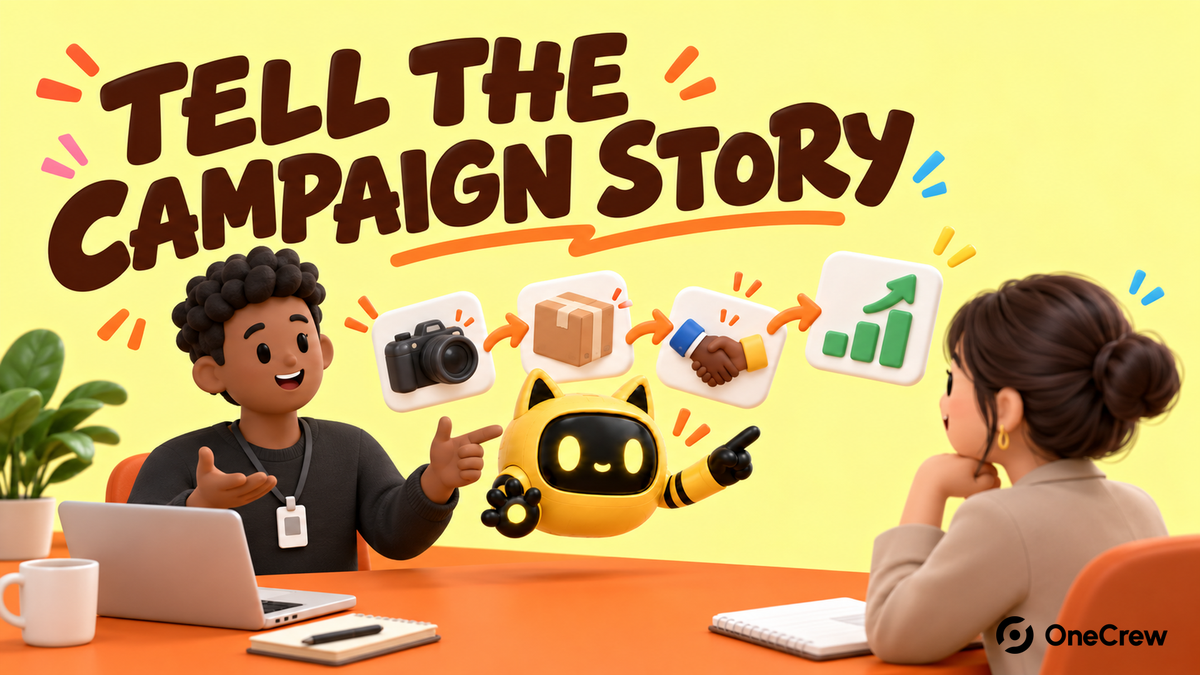
When an interviewer asks you to walk through an influencer campaign, they are not asking for a diary of every task you completed. They want to know whether you can connect a business goal to creator selection, communication, delivery, problem-solving, and a result that can be checked.
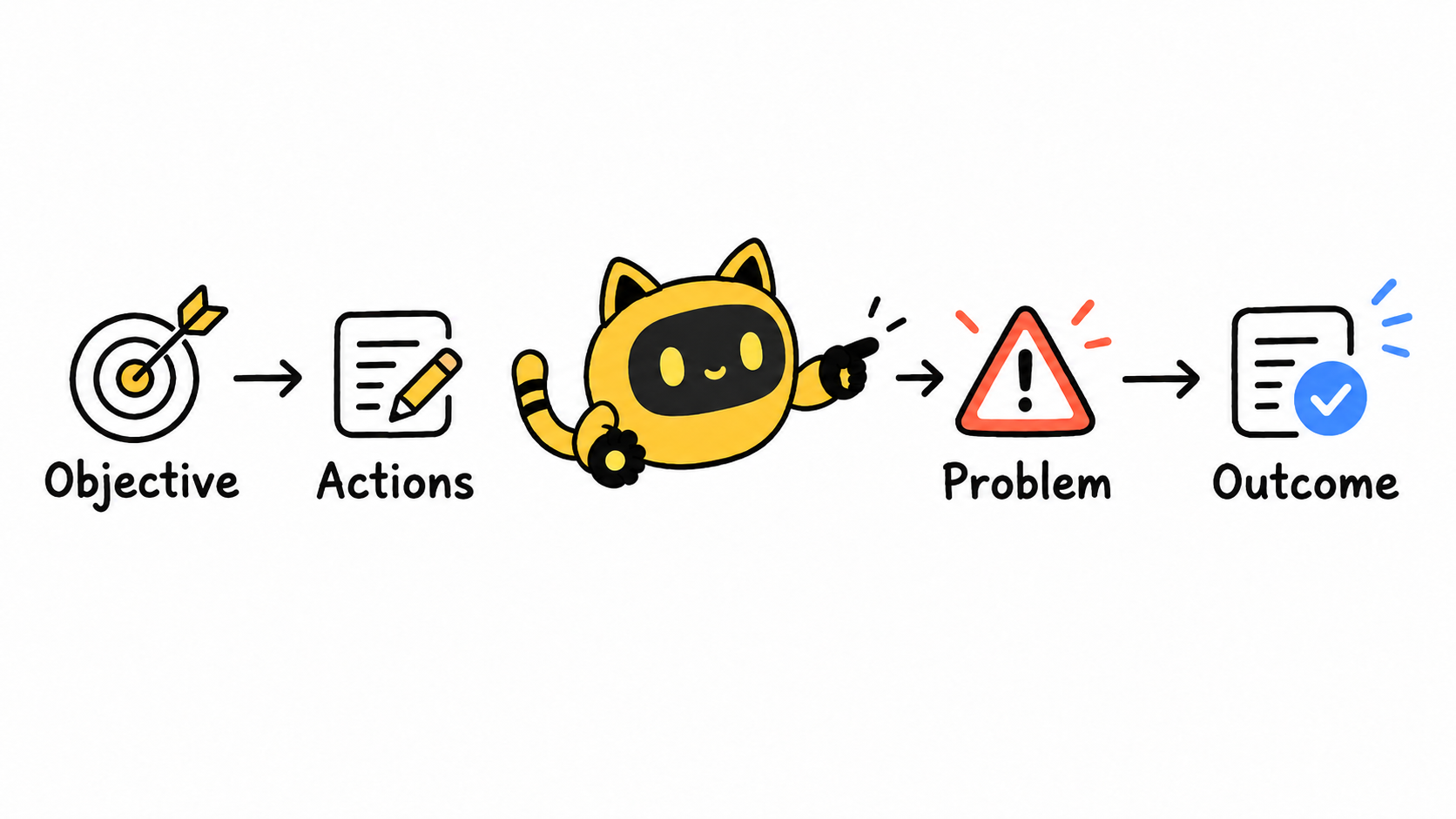
The safest structure is: objective, constraints, your responsibility, key decisions, the complication, the outcome, and what you learned. Use a campaign you genuinely worked on. You may anonymize sensitive figures, but do not turn a team result into a personal claim.
Choose a case that shows judgment, not just scale
Your biggest campaign is not automatically your best interview example. For a junior or execution-focused role, a smaller campaign in which you actually selected creators, managed communication, or moved deliverables forward is often more convincing than a large program you only observed.
Write three sentences before you rehearse: what the brand needed, what you personally owned, and which constraints shaped the work. Constraints might include timing, budget, available samples, target market, content requirements, or slow internal approvals.
If the evidence is scattered across spreadsheets, email, and chat, OneCrew can help you bring creator profiles, public contact details, conversation context, and partnership tasks into one working record. OneCrew is a workspace for finding, contacting, and following up with creators. For interview preparation, its value is not producing a polished story for you; it is helping you reconstruct what actually happened and why you made each decision. If your records are not standardized yet, start with this creator database field checklist.
Use a seven-part campaign story
- Objective: Name the primary outcome: awareness, content, qualified traffic, or trackable sales.
- Constraints: Explain the practical limits without disclosing confidential information.
- Your responsibility: Separate your work from the agency, manager, analyst, or client team.
- Key decisions: Describe the selection criteria, outreach sequence, and checkpoints you chose.
- Complication: Pick one real problem and show how you diagnosed, communicated, and escalated it.
- Outcome: Use metrics that were genuinely recorded at the time.
- Learning: Explain what you would keep or change next time, and why.
Explain creator selection with criteria, not a name-drop
“We chose creators with large followings” tells the interviewer almost nothing. A better answer covers the target audience, the creator’s recent content, format fit, sponsorship density, the quality of public audience discussion, and whether a legitimate business contact route was available.
For a live case exercise, restate the brand’s objective before proposing three to five screening criteria. OneCrew can search public creator information by topic, preserve the source for each candidate, and keep later outreach in the same context. You can also use this method for finding creators by topic, platform, and role to test whether your criteria are executable. Your answer should still focus on judgment: why one creator advanced and another did not.
Show that negotiation is more than lowering the fee
Creator negotiations may cover deliverables, usage, timing, revision boundaries, exclusivity, payment milestones, and the materials each side must provide. Even if you did not have final approval authority, you can explain how you organized the terms, spotted a conflict, and brought a clear decision request to the owner.
A credible complication might be a creator requesting an additional fee close to delivery. Explain how you checked the original scope, separated the new request from the agreed work, proposed workable options, and sent a concise approval summary internally. The skill being tested is structured communication, not winning an argument. For a deeper example, use the same scope-first logic described in this guide to negotiating creator rates.
Match the result to the original objective
If the objective was to secure usable content on time, do not finish with views alone. If the campaign was an audience test, do not turn a single click metric into a claim of long-term growth. Depending on the campaign, valid outcomes may include on-time deliverables, brief compliance, trackable sessions, code-attributed orders, or another metric the team actually used.
If revenue attribution sat with another team, say so. You can still describe the shortlist, communication, delivery status, and the evidence that changed your next round of creator selection. A precise boundary is more professional than an invented ROI figure.
Campaign interview worksheet
- Business objective: __________
- Time and resource constraints: __________
- My responsibility: __________
- Creator selection criteria: __________
- Three actions I drove: __________
- The hardest complication: __________
- How I decided and communicated: __________
- Verifiable outcome: __________
- What I would change next time: __________
Post-interview thank-you email
Subject: Thank you for today’s conversation about the creator partnerships role
Hi [Name],
Thank you for speaking with me today. Your point about [specific team priority, such as making creator delivery more predictable] helped me understand where this role can have the most impact.
Reflecting on the campaign example we discussed, my main contribution was [your actual area of ownership]. I used [specific method] to move the work forward and addressed [complication] by [verification or communication step]. If I joined the team, I would first learn how creator records, conversations, and delivery checkpoints are currently managed before recommending changes.
Thank you again for your time.
[Your name]
Build the answer from evidence, not adjectives
Do not begin preparation by writing “great communicator” or “strong executor.” Start with one real partnership in OneCrew or your original records, reconstruct the objective, candidate rationale, conversations, complication, and outcome, then rehearse the seven-part story. Use this creator partnership review checklist if the lessons section still feels vague. The strength of the answer comes from decisions you can explain and evidence you can stand behind.