Brief Two TikTok Creators for a Duet Before They Film
Plan the source, response, shared timing and post settings before a two-creator TikTok Duet. Includes a coordination outline and confirmation email.

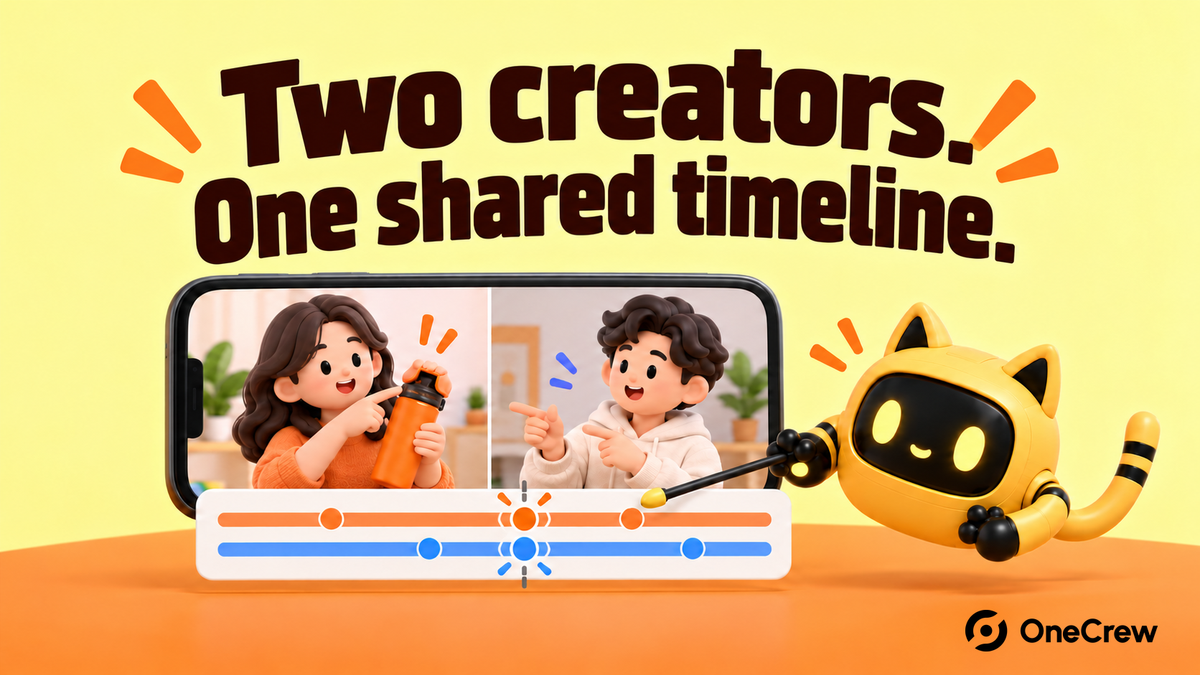
The original video is finished. The responding creator discovers there is no room to speak, and both sides need the same part of the frame to show the product. Two completed recordings do not necessarily make a coherent Duet.
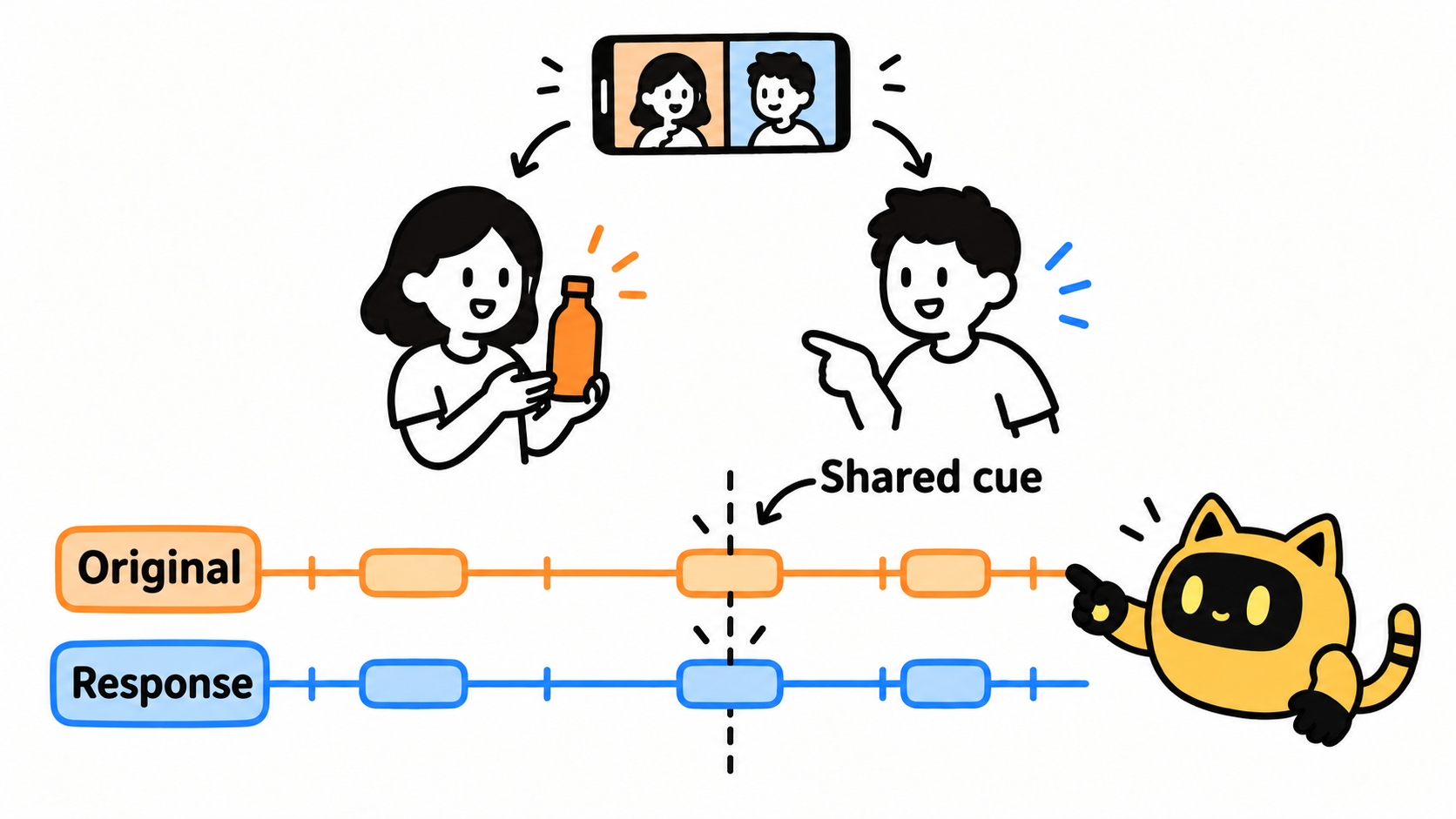
Assign the original-video and response roles first. Then map both creators' actions and audio to one timeline. Confirm the source version, platform settings and release sequence before the second creator builds a response around it.
Confirm that Duet is the format you want
TikTok describes Duet as two videos playing simultaneously in a split screen. It supports a response alongside the original or synchronized actions. A sequential edit showing one clip and then another is a different production idea.
Write who supplies the original, what it establishes, what the response adds and which account publishes the Duet. An instruction to both creators to “be creative” does not assign responsibility for the timing they need to share.
OneCrew is an AI workspace for creator information, partnership records and email. Give the AI connected to OneCrew the agreed roles and source-video outline. Have it inspect the existing project table before organizing each creator's scope, current version and questions awaiting the other person's answer. Keep the two confirmations distinct.
Plan both sides on the same timeline
This is an editorial action-allocation example, not a product claim or prescribed duration.
| Section | Original video | Responding creator |
|---|---|---|
| Opening | Establish a specific question and setting | Introduce a relevant perspective |
| Demonstration | Show a verified product operation | Identify the detail being observed |
| Response space | Provide an agreed pause or action cue | Explain, compare or perform a synchronized action |
| Ending | Offer a next step supported by the content | Answer the opening without adding unsupported claims |
Mark who speaks, what happens on the other side and where essential product details appear. Check the usable area of the split screen. Review overlapping voices before assessing whether the interaction adds value.
Confirm the source, then check platform availability
The responding creator can prepare from an approved reference file. If the original changes, identify the lines, actions and cues that affect the response and ask both creators to review them. An old reference cannot be expected to align with a new published source.
Before recording through TikTok, have the source creator check the official privacy controls: a public account, the permitted reuse audience and the post's Allow reuse of content setting. If the audience is Friends, the two creators must follow each other. Have the responder confirm that Duet is available on the actual post.
Age-based settings also matter. TikTok's teen privacy guidance says others cannot Duet videos from accounts aged 13–15. For public accounts aged 16–17, the default audience is mutual followers. Confirm the source creator's actual settings before scheduling the response.
Plan the source release, response production, review and publication in order. Publishing the original needs its own agreed approval; do not make unreviewed material public merely to test the workflow. The original appears on the source creator's profile, and the Duet on the responder's. Record each publishing account and final URL in the delivery checklist.
In OneCrew, retain the source version both creators accepted and the eventual post reference. Use the relevant conversations to prepare one coordination draft, with each requested confirmation assigned to a person. That helps prevent a version change from becoming two different instructions.
A shared confirmation email
Hi [Contacts], [Creator A] will supply [source version/link], and [Creator B] will make the Duet response. Please each confirm the action and audio plan, particularly [specific transition]. After [actual approval process], [account] will publish the original; [Creator B] will then check its availability and produce the response. The proposed reviewer, submission and release arrangements are [details]. The open items are [missing information].
Before saving the draft in OneCrew, check how a source change will reach the responding creator and which details each party has confirmed. A working platform setting and an agreed production plan answer different questions.
If the brief instead calls for one post on both Instagram profiles, review the Collab invitation and acceptance workflow when defining the format.
Start in OneCrew with one shared outline for the two creators. Write who does what at each moment, then prepare the confirmation. The coordination begins with a timeline both creators understand before filming.