How a Freelance Creator Manager Can Build Their First Brand-Contact List
Start a brand-contact list by defining the creator’s fit, finding public partnership routes, and giving every outreach record a reason and next action.
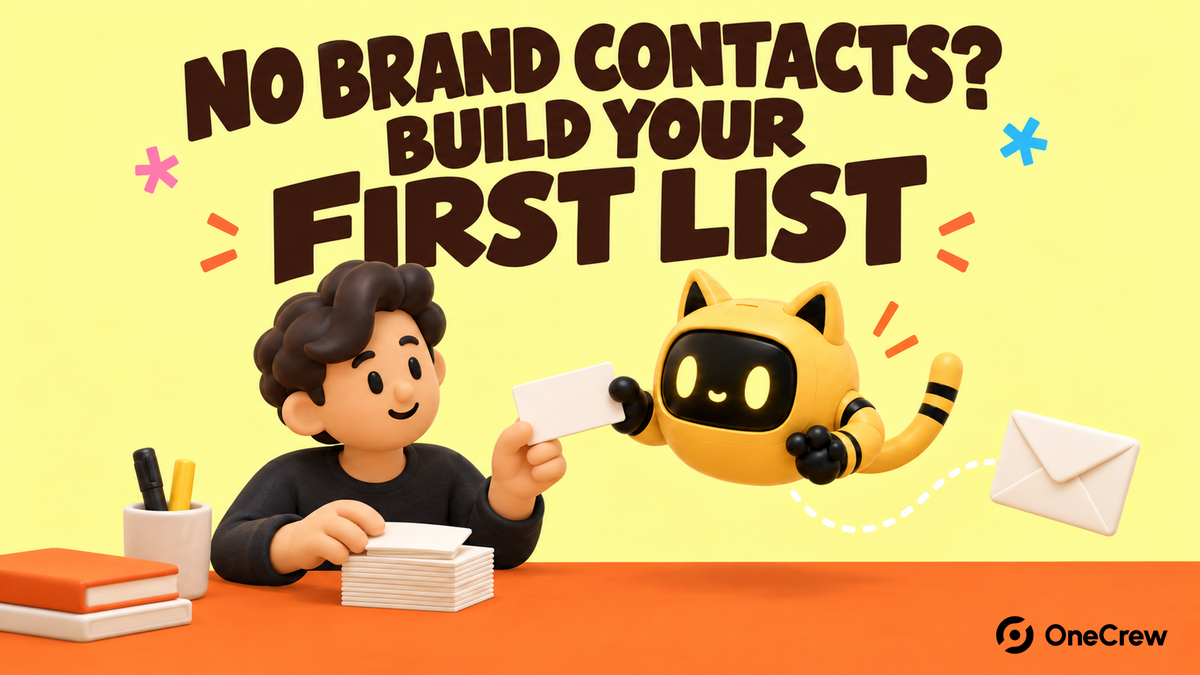
A new freelance creator manager rarely needs a bigger spreadsheet first. They need a small set of brands they can explain and contact with a credible reason. That is the practical problem behind this public question from someone entering the field: without an existing network, where should the first brand contacts come from?
The answer: work backward from the creator and qualify ten brands
Write three clear lines about the creator’s topic, audience, and available collaboration formats. Then identify ten brands whose products genuinely fit those conditions. The first list is not a scale exercise. It is a test of whether you can find the right route, explain the fit, and receive a reply that tells you what to do next.
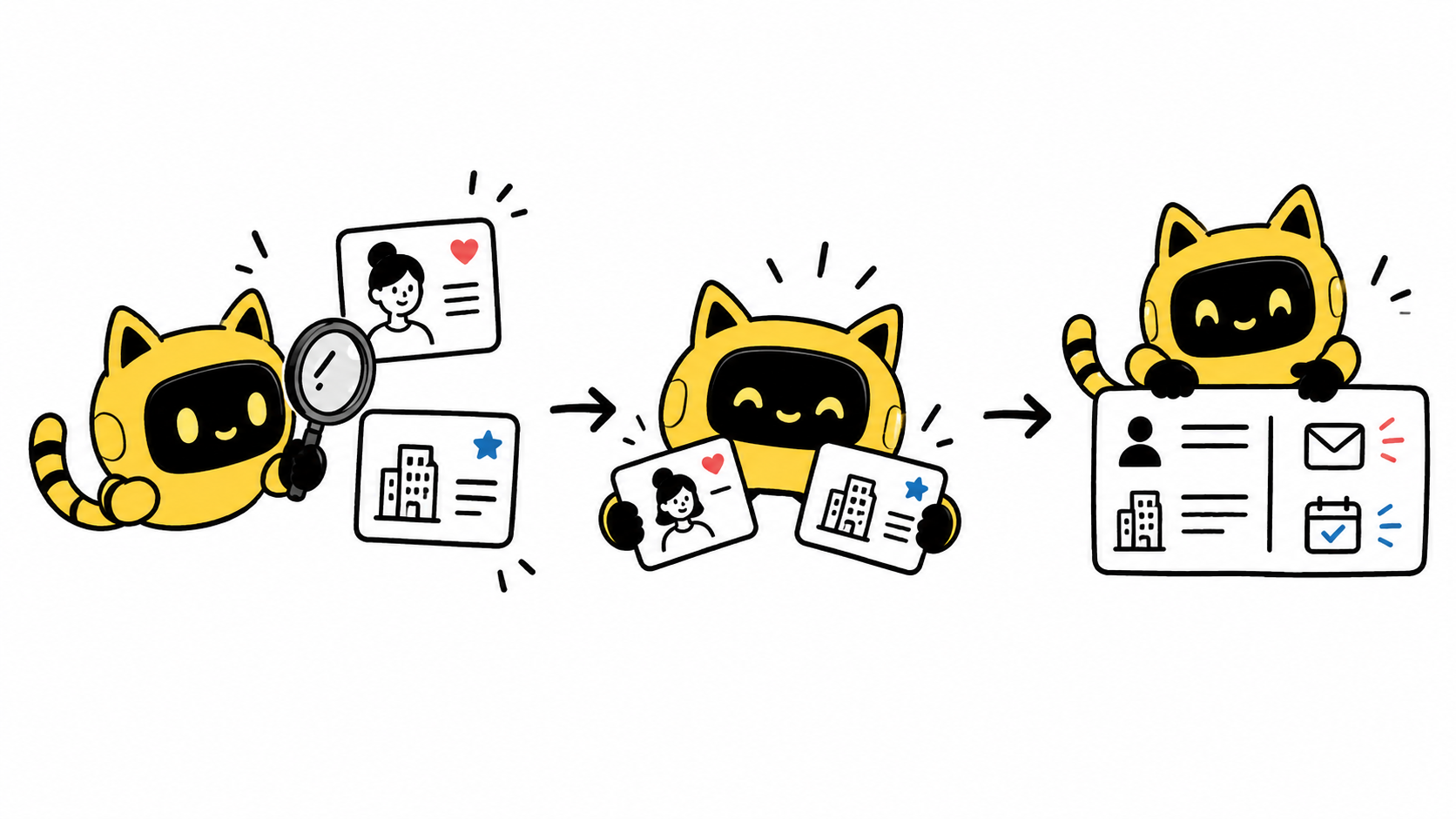
OneCrew is a workspace for organizing public contact details, outreach drafts, and later conversations. Keep the brand’s public contact route, qualification reason, relevant creator, and next action in one contact record so the list does not collapse into a column of email addresses.
Step one: turn the creator’s positioning into filters
- Topic: what the creator covers consistently, not once;
- Audience situation: who needs the content and when;
- Collaboration format: review, tutorial, live segment, event, or asset production;
- Market conditions: language, region, platform, and timing.
Use those filters to find brands serving the same audience or an adjacent product need. The related guide on starting creator discovery with buyer problems and topics uses the same logic in the other direction.
Step two: record only public, relevant contact routes
Start with partnership, media, or business pages on the brand’s site, then verify public social profiles and team roles. Record where the route came from and when it was checked. Do not turn a guessed personal email into a contact. If customer support is the only visible route, mark the brand as “partnership contact not yet confirmed” instead of sending a blind pitch.
In OneCrew, keep the public source, qualification reason, and relevant creator with each contact. A future teammate can understand why the record exists without repeating the search.
Step three: use the first email to prove fit
Subject: Collaboration idea for [creator] and [brand]
Hi, I manage brand partnerships for [creator], who consistently covers [topic] for [audience/market]. I noticed [specific product or content] from your team and its connection to [specific audience problem]. Are you the right person for creator partnerships? If so, I can send a one-page profile and two concrete collaboration directions. If not, could you point me to the appropriate public route?
Build the structure as an email template in OneCrew, then add the real product, content example, and fit reason for each contact before generating a draft. Review the recipient, greeting, and links before sending. The related guide on choosing between Instagram DM and email can help when a brand exposes more than one route.
Step four: every contact needs a next action
Use a small set of states: route to verify, draft ready, contacted, waiting for reply, more material needed, or closed. Write follow-up tasks as dated actions—“send the one-page creator profile on Friday”—rather than “follow up.” Ten contacts are enough to expose whether the positioning and outreach reason need work.
Start with one creator and create ten brand-contact records in OneCrew. Each needs only four things: a public route, a fit reason, a first draft, and a next action. The first network is not a large address book; it is a set of collaboration leads you can continue moving.