A Simple Creator-Marketing Workflow for Q4: Find, Brief, Track
Keep Q4 creator marketing under control by defining the output, owner, and decision gate for discovery, briefing, and tracking.
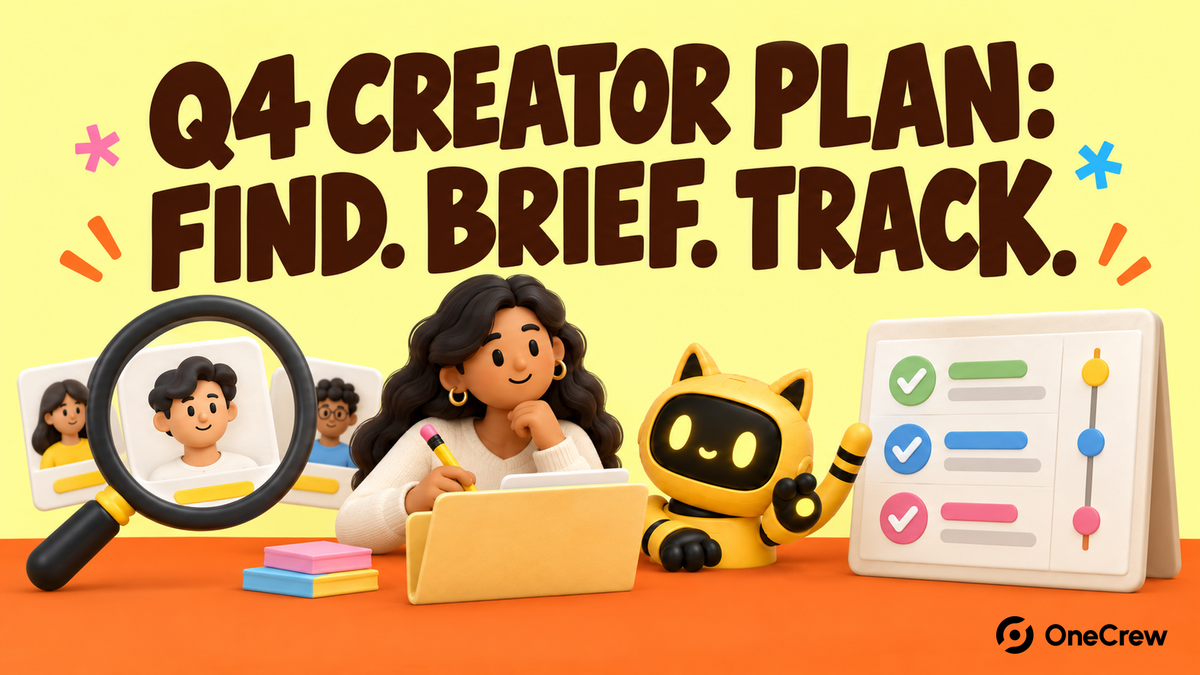
Q4 creator marketing rarely suffers from a shortage of activity. The problem is that discovery, brief revisions, replies, and status chasing all happen at once. The team can see the work but not the blocked decision. This public workflow question is best answered by defining what each stage must produce.
The sequence: define the gates, then find, confirm scope, and track
Discovery should produce a shortlist with evidence. The brief should produce a scope both sides can confirm. Tracking should show an owner, a next action, and proof of progress. Define those three gates before expanding the list. Otherwise, more names create more rework rather than more decisions.
OneCrew is a workspace for keeping public creator research, candidate groups, and collaboration conversations together. Search and review candidates by topic, save recent content, public contact routes, and qualification notes to a project group, then attach a next step to each record instead of splitting the list and the work across separate sheets.
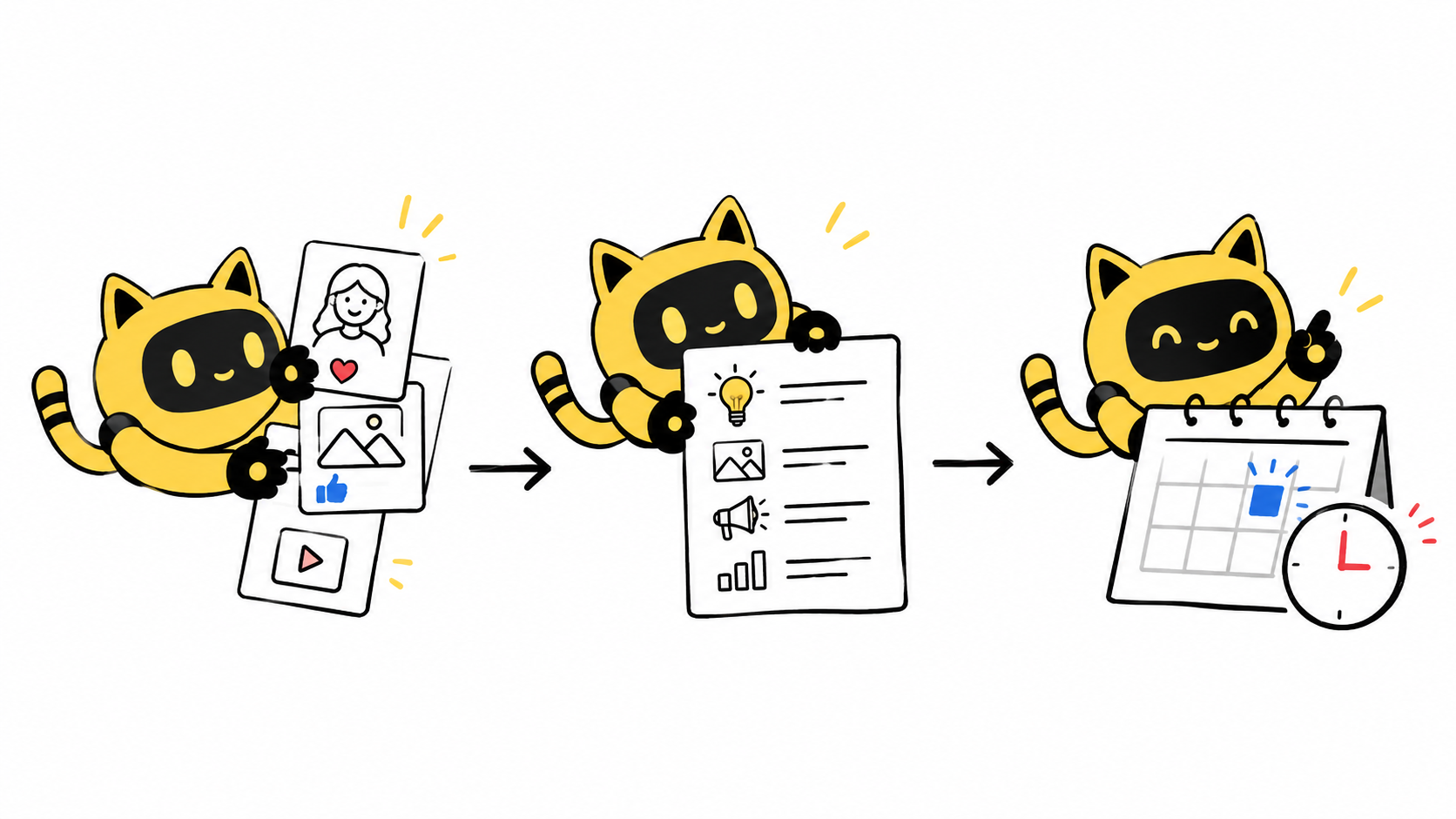
Stage one: every candidate needs a reason to be on the list
Start with the buyer problem and content topic the campaign needs to address. Then check whether each candidate has covered that topic consistently in recent work. Keep the evidence link, audience or market, public contact route, and a one-sentence qualification reason. A list of names and follower counts forces the next teammate to repeat the research.
When several people are sourcing at once, check before saving or contacting. The related guide on preventing duplicate creator outreach shows where that review belongs in the workflow.
Stage two: the brief must be confirmable
A one-page brief should cover the target audience, core message, format, quantity, timeline, review points, and content usage. Replace “make one creative video” with a scope the creator can answer, such as “one 30–60 second short-form video, concept direction reviewed first, published on the creator’s account, with brand reposting discussed separately.” Specific language gives both the quote and the work a shared basis.
In OneCrew, keep the confirmed scope beside the contact and campaign record, then prepare the next email from those details. During review, check the recipient, links, deliverables, timing, and next action before approving the draft for sending.
Stage three: track decisions, not just replies
Every collaboration should have one next action with an owner and date. “Waiting for the creator” is not enough. Use “Alex checks availability by Thursday; if there is no reply, send one scope clarification.” Keep the evidence of progress—confirmation emails, content links, or approved scope—with the same record.
Use four questions in the Q4 review
- Which candidates still lack fit evidence?
- Which scopes have not been confirmed by both sides?
- Which next actions lack an owner or date?
- Which decisions are waiting for internal approval?
If internal approval is the blocker, use the related guide on moving the creator decision forward while approval is pending to separate the internal condition from the external update.
Start with one live Q4 campaign. In OneCrew, add three fields to every candidate: qualification reason, confirmed scope, and next action. Discovery, briefing, and tracking are not three disconnected documents; they are three stages of the same collaboration record.